| ICHIMURAZA |
| Names | Ichimuraza Satsumaza Miyamotoza Murayamaza Ichimuraza Ichimura-Takenojôza Ichimuraza Murayamaza |
||||||||||||||||||||||||||||||||||||||||||||||||||||||||||||||||||||||||||||||||||||||||||||||||||||||||||||||||||||||||||||||||||||||||||||||||||||||||||||||||||||||||||||||||||||||||||||||||||||||||||||||||||||||||||||||||||||||||||||||||||||||||||||||||||||||||||||||||||||||||||||||||||||||||||||||||||||||||||||||||||||||||||||||||||||||||||||||||||||||||||||||||||||||||||||||||||||||||||||||||||||||||||||||||||||||||||||||||||||||||||||||||||||||||||||||||||||||||||||||||||||||||||||||||||||||||||||||||||||||||||||||||||||||||||||||||||||||||||||||||||||||||||||||||||||||||||||||||||||||||||||||||||||||||||||||||||||||||||||||||||||||||||||||||||||||||||||||||||||||||||||||||||||||||||||||||||||||||||||||||||||||||||||||||||||||||||||||||||||||||||||||||||||||||||||||||||||||||||||||||||||||||||||||||||||||||||||||||||||||||||||||||||||||||||||||||||||||||||||||||||||||||||||||||||||||||||||||||||||||||||||||||||||||||||||||||||||||||||||||||||||||||||||||||||||||||||||||||||||||
| City | Edo | ||||||||||||||||||||||||||||||||||||||||||||||||||||||||||||||||||||||||||||||||||||||||||||||||||||||||||||||||||||||||||||||||||||||||||||||||||||||||||||||||||||||||||||||||||||||||||||||||||||||||||||||||||||||||||||||||||||||||||||||||||||||||||||||||||||||||||||||||||||||||||||||||||||||||||||||||||||||||||||||||||||||||||||||||||||||||||||||||||||||||||||||||||||||||||||||||||||||||||||||||||||||||||||||||||||||||||||||||||||||||||||||||||||||||||||||||||||||||||||||||||||||||||||||||||||||||||||||||||||||||||||||||||||||||||||||||||||||||||||||||||||||||||||||||||||||||||||||||||||||||||||||||||||||||||||||||||||||||||||||||||||||||||||||||||||||||||||||||||||||||||||||||||||||||||||||||||||||||||||||||||||||||||||||||||||||||||||||||||||||||||||||||||||||||||||||||||||||||||||||||||||||||||||||||||||||||||||||||||||||||||||||||||||||||||||||||||||||||||||||||||||||||||||||||||||||||||||||||||||||||||||||||||||||||||||||||||||||||||||||||||||||||||||||||||||||||||||||||||||||
| History |
3rd lunar month of 1634: foundation of the Murayamaza by Murayama Matasaburô I in Edo in the district of Kamisakai-chô. 29th day of the 1st lunar month of 1641: both the Murayamaza and the Nakamuraza were burnt in a big fire. 10th lunar month of 1641: Murayama Matasaburô I retired, entrusting the management of the Murayamaza to his son-in-law Murata Kuroemon, who was helped by Ichimura Uzaemon III. 1643: the Murayamaza was renamed Ichimuraza. 1651: the Ichimuraza moved from the district of Kamisakai-chô to the district of Fukiya-chô. 6th day of the 3rd lunar month of 1652: Murayama Matasaburô I died. 2nd day of the 8th lunar month of 1652: Murata Kuroemon died; Ichimura Uzaemon III became the official manager of the theater and worked in collaboration with Mikuni Hikosaku I. 18th day of the 1st lunar month of 1657: a fire broke out in the Honmyôji temple in the district of Hongô and devastated Edo. All the Kabuki theaters were destroyed by the flames. This fire was nicknamed 'Furisode Kaji' (the "long-sleeve fire"). 14th day of the 1st lunar month of 1660 [13]: a fire broke out in the district of Yushima. It spread and burnt the Ichimuraza, the Nakamuraza and the newly-constructed Moritaza. 27th day of the 1st lunar month of 1661 [14]: a fire broke out in the residence of Kusakabe Gonzaemon in the district of Takajô-chô. It spread and burnt both the Ichimuraza and the Moritaza. 28th day of the 10th lunar month of 1661 [27]: both the Ichimuraza and the Nakamuraza were burnt in a big fire. 1664: Ichimura Uzaemon III retired to become a priest; Ichimura Takenojô I, who was only 10 years old, became the zamoto of the Ichimuraza, managing it in collaboration with Tamagawa Shuzen I. 1st lunar month of 1670: the Ichimuraza was renamed Ichimura-Takenojôza; this new name lasted up to 1684. 10th lunar month of 1670: the number of Kabuki theaters in the city of Edo was set to 4 by the authorities. The authorized theaters were the Nakamuraza (in the district of Sakai-chô), the Ichimura-Takenojôza (Fukiya-chô), Moritaza (Kobiki-chô) and the Yamamuraza (Kobiki-chô). 26th day of the 12th lunar month of 1676 [25]: a fire broke out in the district of Hama-chô. It spread and burnt both the Ichimuraza and the Nakamuraza. 4th lunar month of 1679: Ichimura Takenojô I did his isse ichidai performance (a drama entitled "Saigyô Hôshi Kyôgen"), retired and became a bonze, entrusting his brother Ichimura Uzaemon V with the management of the Ichimuraza. 29th day of the 5th lunar month of 1679 [26]: a fire broke out in the puppets theater Ôsaka Shichidayûza in the district of Sakai-chô. It spread and burnt both the Ichimuraza and the Nakamuraza. 3rd lunar month of 1680: the very first sayaate scene in Kabuki history was staged at the Ichimuraza. It was produced by Ichimura Uzaemon V under the title "Yûjoron", with the following casting:
28th day of the 12th lunar month of 1682 [23]: a fire started by Yaoya Oshichi broke out in the Daienji Temple in the district of Komagome. It spread and burnt both the Ichimuraza and the Nakamuraza. This fire was nicknamed "Oshichi Kaji" (the "Oshichi fire"). 16th day of the 12th lunar month of 1683 [24]: a fire broke out in the Nakamuraza in the district of Sakai-chô. It spread and burnt also the Ichimuraza. 10th day of the 12th lunar month of 1698 [22]: a fire broke out in the district of Nihonbashi Hongoku-chô. It spread and burnt both the Ichimuraza and the Nakamuraza. 29th day of the 11th lunar month of 1703: [28] an earthquake hits Edo and the resulting fires destroyed the city. The 4 main theaters, the Nakamuraza, the Ichimuraza, the Moritaza and the Yamamuraza, were burnt to ashes. This catastrophe was nicknamed "Genroku Jishin Kaji" ('Genroku Earthquake and Fire'). 14th day of the 1st lunar month of 1706: [29] a fire broke out in the district of Kanda Renjaku-chô. It spread and burnt both the Ichimuraza and the Nakamuraza. 20th day of the 11th lunar month of 1706 [30]: a fire broke out in the district of Izumi-chô. It spread and burnt both the Ichimuraza and the Nakamuraza. 8th day of the 3rd lunar month of 1707 [31]: a fire broke out in the district of Kodenma-chô. It spread and burnt both the Ichimuraza and the Nakamuraza. 1st lunar month of 1709: the 4 Edo theaters, the Nakamuraza, the Ichimuraza, the Moritaza and the Yamamuraza, produced simultaneously a sogamono new year drama. This was the beginning of a custom which is still somehow observed nowadays. 18th day of the 12th lunar month of 1710 [32]: a fire broke out in the somptuous palace of the daimyô Sanada, located in the district of Kanda Koyanagi-chô. It spread and destroyed both the Nakamuraza and the Ichimuraza. 23rd day of the 2nd lunar month of 1712 [33]: a fire broke out in the district of Horie-chô. It spread and destroyed both the Nakamuraza and the Ichimuraza. 22nd day of the 12th lunar month of 1713 [34]: a fire broke out in the district of Shitaya Byôbusaka and spread to others sections of Edo, destroying both the Ichimuraza and the Nakamuraza. 11th day of the 1st lunar month of 1716 [35]: a fire broke out in the district of Shitaya Ike-no-Hata and spread to others sections of Edo, destroying both the Ichimuraza and the Nakamuraza. 22nd day of the 1st lunar month of 1717 [36]: a fire broke out in the district of Koishikawa and spread to others sections of Edo, destroying both the Ichimuraza and the Nakamuraza. 5th lunar month of 1717: Chikamatsu Monzaemon's masterpiece "Kokusen'ya Gassen" was produced simultaneously in the 3 Edo Kabuki theaters. This was the first Kabuki adaptation of a puppet theater play in Edo. It was produced at the Ichimuraza under the original title "Kokusen'ya Gassen" and staged with the following casting:
1st lunar month of 1720: first Kabuki adaptation of Chikamatsu Monzaemon's puppet theater shinjûmono "Shinjû Kasane Izutsu", which was written in 1707. The same play was simultaneously produced in the 3 Edo theaters and commemorated the 16th anniversary (17th memorial service) of the suicide of the couple Tokubê and Ofusa, whose roles were played by Ichimura Takenojô IV and Sodesaki Miwano I at the Ichimuraza. 10th day of the 12th lunar month of 1721 [37]: a fire broke out in the district of Kanda Tominaga-chô and spread to others sections of Edo, destroying the Nakamuraza and the Ichimuraza. 27th day of the 11th lunar month of 1726 [38]: a fire broke out in the shibai jaya Maruya, located in the district of Fukiya-chô, and spread to others sections of Edo, destroying both the Ichimuraza and the Nakamuraza. 11th lunar month of 1735: great shûmei at the Ichimuraza; Ichikawa Danjûrô II gives his name to his adopted son and took the name of Ichikawa Ebizô II during the kaomise drama "Kongen Nana Komachi". The actors Ichikawa Masugorô and Matsumoto Shichizô I respectively took the names of Ichikawa Danjûrô III and Matsumoto Kôshirô II. 1st lunar month of 1736: the trio made up of Segawa Kikunojô I, Ichimura Takenojô IV and Ichimura Manzô performed together at the Ichimuraza in "Sayo no Nakayama Asama-ga-Dake", the first Tokiwazu-based dance in Kabuki history. 11th lunar month of 1737: the son of the Shôgun received the name of Takechiyo and Ichimura Takenojô IV was forced to change his first name, taking the name of Ichimura Uzaemon VIII during the Ichimuraza kaomise program "Genji Kumo Ôgi no Shiba". His stage partners were Sawamura Sôjûrô I, Bandô Hikosaburô I, Kamakura Chôkurô II, Tomizawa Montarô I, Matsumoto Kôshirô II, Tamazawa Saijirô I and Tsuruya Nanboku II. 3rd lunar month of 1742: premiere at the Ichimuraza of the dance "Hanabusa Shishi no Rangyoku", the third part (sanbanme) of the program "Fuji Miru Sato Sakae Soga"; Segawa Kikunojô I played the leading role of this Lion dance, still in the Kabuki repertoire and commonly called "Makura Jishi". 7~9th days of the 8th lunar month of 1742 [39]: a violent typhoon hit Edo, causing floods in the city; the Ichimuraza and the Nakamuraza had to stop their performances for a while. 2nd lunar month (end of month) of 1746: a fire broke out in the district of Tsukiji, in the mansion of Tsubouchi Gonzaemon. It spread and destroyed the Nakamuraza, the Ichimuraza and the Moritaza. 3rd lunar month of 1747: the drama "Sugawara Denju Tenarai Kagami" was performed for the first time in Edo, at the Ichimuraza, staged with the following casting:
7th lunar month of 1753: the play "Hirakana Seisuiki" was performed for the first time in Edo, at the Ichimuraza, with the following casting:
3rd lunar month of 1754: the drama "Yoshitsune Senbon Zakura" was produced for the first time at the Ichimuraza. The role of the fox Genkurô was played by Matsumoto Kôshirô II. 14th day of the 1st lunar month of 1756 [19]: a fire broke out in the district of Shinzaimoku-chô. It spread and destroyed both the Ichimuraza and the Nakamuraza. 11th lunar month of 1756: Segawa Kichiji II took the name of Segawa Kikunojô II at the Ichimuraza, performing in the dance "Momo Chidori Musume Dôjôji" in duo with Ichimura Uzaemon VIII. 6th day of the 2nd lunar month of 1760 [21]: a fire broke out in the district of Kanda Hatago-chô and spread to Susaki in the district of Fukagawa. It destroyed both the Ichimuraza and the Nakamuraza. It was called "Akashiya no Kaji" ('the Akashiya fire'), based on the name of the shop where it started. 3rd lunar month of 1760: premiere of the bombastic play "Kaneiri Gedatsu no Koromo" (commonly called "Gedatsu", a scene belonging to the Kabuki Jûhachiban collection), performed within the drama "Soga Mannen Bashira" at the Ichimuraza, with Ichikawa Danjûrô IV and Anegawa Daikichi I in the roles of Kagekiyo and Princess Hitomaru. 17th day of the 9th lunar month of 1761: a fire broke out in the Gekiza theater. It destroyed the Ichimuraza and damaged the Nakamuraza. 4th lunar month of 1762: Segawa Kikunojô II achieved a great success at the Ichimuraza, dancing the seven roles of the program "Yanagi Hina Shochô no Saezuri". One of these roles was the first version of the famous dance "Sagi Musume". 11th lunar month of 1765: premiere at the Ichimuraza of Kanai Sanshô's Tokiwazu-based hengemono "Kumo no Ito Azusa no Yumihari", which was staged at the end of the kaomise drama "Furitsumu Hana Nidai Genji". All the roles were performed by Ichimura Uzaemon IX. 29th day of the 2nd lunar month of 1766 [12]: a fire broke out in the district of Sakai-chô, in the cosmetics shop owned and managed by the actor Onoe Kikugorô I. It destroyed both the Ichimuraza and the Nakamuraza. This fire was nicknamed "Kikugorô Aburamise Kaji" ('Kikugorô's cosmetics shop fire'). 2nd lunar month of 1767: first Kabuki adaptation, at the Ichimuraza, of Chikamatsu Hanji's puppet theater drama "Taiheiki Chûshin Kôshaku", which was staged with the following casting:
11th lunar month of 1768: premiere at the Ichimuraza of the Nagauta-based dance "Oshiegusa Yoshiwara Suzume", the first version of "Yoshiwara Suzume", which was staged within the kaomise drama "Otokoyama Yunzei Kurabe". It starred Ichimura Uzaemon IX and Azuma Tôzô II in the roles of the warrior Hachiman Tarô disuised as a bird seller and the spirit of a falcon disuised as the female bird seller. 29th day of the 2nd lunar month of 1772 [20]: a fire broke out in Meguro Gyôninzaka. It spread and destroyed both the Ichimuraza and the Nakamuraza. 5th lunar month of 1774: premiere at the Ichimuraza of the Nagauta-based dance "Sono Omokage Ninin Wankyû". The roles of Wankyû and the courtesan Matsuyama were played by Ichimura Uzaemon IX and Segawa Tomisaburô I. This dance commemorated the 16th anniversary (17th memorial service) of the passing away of Ichimura Uzaemon VIII. The drama "Natsu Matsuri Naniwa Kagami" was produced at the Ichimuraza for the first time, with the following casting:
1st lunar month of 1776: for the first time in Kabuki history, chiwata threads were used in the scene of the bloody murder of the priest Dainichibô (played by Ôtani Hiroemon III) by Akoya (played by Yoshizawa Sakinosuke III) in the new year program "Tsukisenu Haru Hagoromo Soga, which was staged at the Ichimuraza. This new technique was very well received by the audience. 11th lunar month of 1776: premiere at the Ichimuraza of Sakurada Jisuke I's Tomimoto-based dance-drama "Momo Yogiku Iro no Yo no Naka", which was staged as part of the kaomise drama "Sugata no Hana Yuki no Kuronushi" with the following casting:
11th lunar month of 1777: premiere at the Ichimuraza of Nakamura Jûsuke II's Tomimoto-based (musical accompaniment written by Namizaki Tokuji) dance-drama "Meotozake Kawaranu Nakanaka" (commonly called "Kurama Jishi"), which was staged with the following casting:
11th lunar month of 1779: Azuma Tomigorô took the name of Azuma Tôzô III at the Ichimuraza, performing in the kaomise drama "Azuma no Mori Sakae Kusunoki". 28th day of the 10th lunar month of 1783: a fire broke out in Edo in the district of Kodenma-chô, which spread and burnt the Ichimuraza. 1784 ~ 1788: the Ichimuraza went bankrupt and gave its license to the Kiriza. 25th day of the 8th lunar month of 1785: the actor and zamoto Ichimura Uzaemon IX (1725~1785) died. 9th lunar month of 1785: Ichimura Kamezô II took the name of Ichimura Uzaemon X and became the new official zamoto of the Ichimuraza. 11th lunar month of 1788: Ichimura Uzaemon X reopened the Ichimuraza, producing the kaomise program "Genji Saikô Kogane no Tachibana", which starred the actors Ichikawa Danjûrô V, Iwai Hanshirô IV, Segawa Kikunojô III, Bandô Hikosaburô III, Onoe Matsusuke I and Ôtani Hiroemon III and celebrated the arrival in Edo of the Kamigata actor Asao Tamejûrô I. 9th lunar month of 1790: the play "Yoshitsune Koshigoejô" was staged for the first time in Edo, at the Ichimuraza; it was the onagori kyôgen of the Kamigata star Asao Tamejûrô I and it was staged with the following casting: 1793 ~ 1798: the Ichimuraza went bankrupt and gave its license to the Kiriza. 11th lunar month of 1798: Ichimura Uzaemon X reopened the Ichimuraza, producing the kaomise program "Hanayagura Tachibana Keizu", which starred the actors Ichikawa Yaozô III, Segawa Kikunojô III, Onoe Matsusuke I, Ichikawa Omezô I, Bandô Mitsugorô II, Matsumoto Yonesaburô I and Nakamura Denkurô IV. 15th day of the 2nd lunar month of 1799: the zamoto Ichimura Uzaemon X (1748~1799) died. Spring 1800: Ichimura Manjirô I took the name of Ichimura Uzaemon XI. 2nd lunar month of 1800: Namiki Gohei's drama "Gosan no Kiri", which was premiered in the 4th lunar month of 1778 at the Kado no Shibai, was staged for the first time in Edo, at the Ichimuraza in a somewhat different version entitled "Sanmon Gosan no Kiri" instead of "Kinmon Gosan no Kiri", with the following casting:
8th lunar month of 1801: great shûmei at the Ichimuraza for the Hamamuraya guild; the actors Segawa Kikunojô III, Segawa Kikunosuke, Segawa Kikusaburô II and Segawa Matsunosuke respectively took the names of Segawa Rokô III, Segawa Michinosuke, Segawa Michisaburô I and Segawa Hamajirô. They performed together in the drama "Dôjima Tamino no Tsumikomi". 11th lunar month of 1801: great shûmei at the Ichimuraza for the Kôraiya guild; Matsumoto Kôshirô IV, his son Ichikawa Komazô III and Ichikawa Santarô respectively took the names of Omegawa Kyôjûrô, Matsumoto Kôshirô V and Ichikawa Komazô IV. They performed together in the kaomise drama "Otoko Narikeri Onna Masakado". 4th day of the 11th lunar month of 1802 [15]: a fire broke out in Edo in the district of Naniwa-chô and destroyed both the Ichimuraza and the Nakamuraza. 9th lunar month of 1804: Namiki Gohei I's drama "Kanjin Kanmon Tekuda no Hajimari" was staged for the first time in Edo, at the Ichimuraza with the following casting:
13th day of the 11th lunar month of 1806 [16]: a fire broke out from the shop of the hair-dresser Tomokurô in the district of Nihonbashi Fukiya-chô. It spread and burnt both the Ichimuraza and the Nakamuraza, killing many spectators. 6th lunar month of 1808: premiere at the Ichimuraza of Katsu Hyôzô I's drama "Iroeiri Otogi Zôshi" [11], which was staged with the following casting:
7th lunar month of 1808: premiere at the Ichimuraza of Katsu Hyôzô I's drama "Toki-mo Kikyô Shusse no Ukejô", which was staged with the following casting:
1st day of the 1st lunar month of 1809 [17]: a fire broke out in the district of Nihonbashi Sanai-chô and destroyed both the Ichimuraza and the Nakamuraza. 11th lunar month of 1809: premiere at the Ichimuraza of Katsu Hyôzô I and Sakurada Jisuke II kaomise drama "Misao no Hana Toba no Koizuka", which celebrated the shûmei of Onoe Shôroku I and Onoe Matsusuke II and was staged with the following casting:
1st lunar month of 1810: premiere at the Ichimuraza of Katsu Hyôzô I and Sakurada Jisuke II drama "Kokoro no Nazo Toketa Iroito", which was staged with the following casting:
3rd lunar month of 1810: premiere at the Ichimuraza of Katsu Hyôzô I's drama "Kachi Zumô Ukina no Hanabure", commonly called "Shirafuji Genta", which was staged with the following casting:
5th lunar month of 1810: premiere at the Ichimuraza of Katsu Hyôzô I and Sakurada Jisuke II drama "Ehon Gappô-ga-Tsuji", which was staged with the following casting:
9th lunar month of 1810: premiere at the Ichimuraza of the 3-role hengemono "Mata Atarashiku Mitsu no Sakazuki", which was performed by Bandô Mitsugorô III. One of the roles, "Kairaishi", is still part of the current Kabuki repertoire. 3rd lunar month of 1811: premiere at the Ichimuraza of Sakurada Jisuke II's 7-role Tokiwazu-based hengemono "Shichimai Tsuzuki Hana no Sugatae", a program made up of seven dances: "Nyo San no Miya", "Kajiwara Genta", "Shiokumi", "Sarumawashi" (a monkey showman), "Gannin Bôzu" (a bonze), "Rôjo" (an old woman) and "Kan U" (a Chinese warlord). All the roles were played by Bandô Mitsugorô III. The choreography was made by Fujima Kanjûrô I and the musical accompaniment was made by Kishizawa Koshikibu III. The dances "Gannin Bôzu" and "Shiokumi" are still part of the current repertoire. 7th lunar month of 1811: premiere at the Ichimuraza of "Tamamo-no-Mae Obana no Nishiki", the Kabuki adaptation of the puppet theater drama "Tamamo-no-Mae Asahi no Tamoto", which was staged with the following casting:
7th lunar month of 1811: premiere at the Ichimuraza of the drama "Nazo no Obi Chotto Tokubê", which was written by Tsuruya Nanboku IV, Sakurada Jisuke II and Fukumori Kyûsuke I and which was staged with the following casting:
11th lunar month of 1811: the actor Sawamura Gennosuke I and the playwright Katsu Hyôzô I took the respective names of Sawamura Sôjûrô IV and Tsuruya Nanboku IV at the Ichimuraza, performing in the kaomise drama "Itsukushima Yuki no Mitegura" [print]. 11th lunar month of 1813: premiere at the Ichimuraza of Tsuruya Nanboku IV's kaomise drama "Modoribashi Sena-ni Gohiiki", which was staged with the following casting: 29th day of the 11th lunar month of 1813 [18]: a fire broke out in Edo in the district of Takasago-chô and destroyed both the Ichimuraza and the Nakamuraza. 3rd lunar month of 1814: premiere at the Ichimuraza of Tsuruya Nanboku IV's drama "Sumidagawa Hana no Goshozome", commonly called "Onna Seigen", which was staged with the following casting:
5th lunar month of 1814: premiere at the Ichimuraza of the 12-role hengemono "Manete Mimasu Shiki no Wazaogi", which was performed by Ichikawa Danjûrô VII. One of the roles, "Tonbi Yakko", is still part of the current Kabuki repertoire. 5th lunar month of 1815: premiere at the Ichimuraza of Sakurada Jisuke II's Kiyomoto-based dance-drama "Imayô Suma no Utsushie" (commonly called "Suma no Utsushie"). It was staged with the following casting:
7th lunar month of 1814: premiere at the Ichimuraza of Tsuruya Nanboku IV's natsu kyôgen "Imaori Hakata no Irifune", which was staged with the following casting:
Fall 1815 ~ 1821: the Ichimuraza went bankrupt and gave its license to the Kiriza. 11th day of the 7th lunar month of 1820: Ichimura Uzaemon XI died. 1817: the Kiriza went bankrupt and transferred the Ichimuraza license to the Miyakoza. 1818: the Miyakoza went bankrupt and transferred the Ichimuraza license to the Tamagawaza. 10th lunar month of 1821: the Ichimuraza was back in business. 11th lunar month of 1821: Ichimura Kamenosuke took the name of Ichimura Uzaemon XII and became the new official zamoto of the reopening Ichimuraza. The business was managed from behind the scenes by Fukuchi Mohê because the new Uzaemon was too young. Fukuchi Mohê produced the special kaomise program "Nani o Tanete Ukiki no Kaobure", starring Ichikawa Danjûrô VII, Ichikawa Omezô I, Bandô Hikosaburô IV and Ichikawa Monnosuke III. The actors Sawamura Shirogorô II and Ichikawa Raizô IV celebrated their shûmei during this performance. 10th day of the 3rd lunar month of 1822: a tremendous fight involving sumô wrestlers broke out within the Ichimuraza during the Kabuki performance of the day. 12th lunar month of 1822: premiere at the Ichimuraza of the danmari "Ichiharano no Danmari"; the role of Hirai Yasumasa was played by Onoe Kikugorô III and the Tokiwazu musical accompaniment was created by Tokiwazu Komojidayû I. 1st lunar month of 1823: premiere at the Ichimuraza of Tsuruya Nanboku IV's new year sogamono drama "Yaegasumi Soga no Kumiito", which was staged with the following casting:
3rd lunar month of 1823: premiere at the Ichimuraza of Tsuruya Nanboku IV's drama "Ukiyogara Hiyoku no Inazuma" (or "Ukiyozuka Hiyoku no Inazuma"), commonly called "Inazuma Zôshi". It was staged with the following casting:
7th lunar month of 1823: premiere at the Ichimuraza of Tsuruya Nanboku IV's natsu kyôgen "Torimazete Sekison Miyage", which was staged with the following casting:
8th day of the 12th lunar month of 1825 [3]: a fire broke out in Edo in the puppet theater Yûkiza, located in the district of Fukiya-chô, and destroyed both the Nakamuraza and the Ichimuraza. 6th lunar month of 1826: Bandô Mitsugorô III performed at the Ichimuraza in a 3-role Kiyomoto-based hengemono entitled "Mata Koko-ni Kabuki no Hanadashi". The 3 roles were Take-no-Uchi no Sukeneya (a legendary character famous for his extraordinary long life), a fisherman fighting a giant octopus and a tekomai festival dancer. The fisherman and the dancer are nowadays independent dances, which are staged under the respective titles of "Amiuchi" and "Omatsuri". 3rd day of the 1st lunar month of 1827 [4]: a fire broke out from the third floor of the Ichimuraza and destroyed the Ichimuraza, the Nakamuraza and 2 puppet theaters. 21st day of the 3rd lunar month of 1829 [5]: a fire broke out from the shop of Owariya Tokuemon, in the district of Kanda Sakuma-chô. It spread and destroyed the Edo theaters district. The Moritaza, the Ichimuraza and the Nakamuraza were burnt to ashes. 23rd day of the 12th lunar month of 1830 [6]: a fire broke out in the district of Nihonbashi Kodenma-chô. It spread and destroyed the Ichimuraza and the Nakamuraza. 7th day of the 2nd lunar month of 1834 [7]: a fire broke out in the district of Kanda Sakuma-chô. It spread and destroyed the Ichimuraza and the Nakamuraza. 7th lunar month of 1836: premiere at the Ichimuraza of the drama "Shinobi Yoru Koi no Kusemono". The role of Princess Takiyasha and Mitsukuni were played by Ichikawa Kuzô II and Ichimura Uzaemon XII. 7th lunar month of 1837: premiere at the Ichimuraza of "Sanshô-dayû Kogane no Toridoshi", a revised and expanded version of the gidayû kyôgen "Yura no Minato Sengen Chôja", which was staged with the following casting:
1st lunar month of 1838: premiere at the Ichimuraza of Nakamura Jûsuke IV's Tokiwazu-based dance-drama "Wakaki no Hana Sugata no Saishiki", which was staged with the following casting:
11th lunar month of 1838: premiere at the Ichimuraza of Nakamura Jûsuke IV's Tokiwazu-based dance "Hanabutai Kasumi no Saruhiki", commonly called "Utsubo Zaru". The choreography was made by Matsumoto Goroichi and the musical accompaniment was made by Kishizawa Shikisa V. The dance was staged with the following casting:
4th lunar month of 1840: Ichikawa Yaozô V took the name of Seki Sanjûrô III at the Ichimuraza, playing the roles of Kajiwara Heiji Kagetaka and Chichibu Shôji Shigetada in the jidaimono "Hirakana Seisuiki" and the role of Umakata Hachizô in the drama "Koi Nyôbô Somewake Tazuna". The kôjô celebrating this shûmei was led by the star Nakamura Utaemon IV. 9th lunar month of 1840: premiere at the Ichimuraza of the Tokiwazu-based dance-drama "Yoshinoyama Yuki no Furugoto" (nowadays entitled "Meoto Gitsune"), which was staged with the following casting:
6th day of the 10th lunar month of 1841 [8]: a fire broke out from the backstages of the Nakamuraza in the district of Kanda Sakai-chô. It spread and destroyed the Ichimuraza and the Nakamuraza. 20th day of the 10th lunar month of 1841 [9]: the Edo authorities forbade the reconstruction of the destroyed theaters in Sakai-chô. 19th day of the 12th lunar month of 1841 [10]: the Nakamuraza, Ichimuraza and Kawarasakiza were ordered to move to the remote district of Asakusa Saruwaka-chô. 1st lunar month of 1843: premiere at the Ichimuraza of the dance "Kashiragaki Ise Monogatari" (commonly called "Noriaibune"), which was staged within the new year drama "Kioi Uta Soga no Hanadashi" and used different musical ensembles: Tomimoto, Tokiwazu, Nagauta and Gidayû. The seven dancers were Nakamura Utaemon IV, Ichimura Uzaemon XII, Bandô Shûka I, Seki Sanjûrô III, Onoe Kikujirô II, Nakamura Fukusuke I and Ichikawa Danzaburô V. 2nd lunar month of 1847: premiere at the Ichimuraza of the 11-role hengemono "Kanadehon Chûshingura" (same title as the classic drama "Kanadehon Chûshingura"); each role, which was performed by Ichimura Uzaemon XII, was based on 1 act of "Chûshingura":
11th lunar month of 1847: premiere at the Ichimuraza of the 7-role hengemono "Shiki Utsushi Tosae no Futsutsuka" [JPN]. The seven roles were Otohime (Princess Oto), sendô (the boatman), daikoku, keisei, Daijin (the Minister), kaminari (the thunder) and Ushiwaka (young Yoshitsune). All were danced by Ichikawa Kodanji IV. The musical accompaniment was made up of three ensembles: Tokiwazu, Gidayû and Nagauta. 8th lunar month of 1848: premiere at the Ichimuraza of Nishizawa Ippô's drama "Eiri Shôsetsu Asagao Monogatari", which was staged with the following casting:
1st lunar month of 1851: the actors Ichimura Uzaemon XII and Ichimura Kurôemon respectively took the names of Ichimura Takenojô V and Ichimura Uzaemon XIII; the new Uzaemon became the manager of the Ichimuraza. 2nd lunar month of 1851: premiere at the Ichimuraza of Sakurada Jisuke III's Kiyomoto-based dance "Akegarasu Hana no Nureginu", commonly called "Urazato Tokijirô" or "Akegarasu". It was staged with the following casting:
1st lunar month of 1852: premiere at the Ichimuraza of the drama "Hakkenden Uwasa no Takadono", which was written by Sakurada Jisuke III and staged with the following casting:
9th lunar month of 1852: the play "Sesshû Gappô-ga-Tsuji" was staged for the first time in Edo, at the Ichimuraza, with the following casting:
5th day of the 11th lunar month of 1854 [40]: a big fire broke out in the district of Seiten-chô and reduced to ashes the Ichimuraza, the Nakamuraza and the Moritaza. 2nd day of the 10th lunar month of 1855: the Ansei Edo Earthquake (Ansei Edo Jishin) destroyed Edo, tearing down the Ichimuraza. 3rd lunar month of 1856: great shûmei at the Ichimuraza for the Bandô branch of the Otowaya guild; Bandô Hikosaburô IV and Bandô Takesaburô I respectively took the names of Bandô Kamezô I and Bandô Hikosaburô V. The two actors performed together in the dramas "Tsuruhachi to Suehiro Soga", "Hikinuide Kasumi no Midomise" and "Yume Musubu Chô ni Torioi". 9th lunar month of 1856: premiere at the Ichimuraza of Kawatake Shinshichi II's 9-act drama "Tsuta Momiji Utsunoya Tôge". The 2 leading stars were Ichikawa Kodanji IV (the blind masseur Bun'ya and the thief Niza) and Bandô Kamezô I (Itamiya Jûbê). 11th lunar month of 1856: premiere at the Ichimuraza of Kawatake Shinshichi II's drama "Shôchikubai Yuki no Akebono", which was staged with the following casting:
11th lunar month of 1856: premiere at the Ichimuraza of the dance "Joro no Makoto Osada no Chûkô", commonly called "Kuramayama" and performed with the following casting:
1st lunar month of 1857: premiere at the Ichimuraza of Kawatake Shinshichi II's drama "Nezumi Komon Haru no Shingata", commonly called "Nezumi Kozô", which was staged with the following casting:
7th lunar month of 1857: premiere at the Ichimuraza of Kawatake Shinshichi II's drama "Ami Moyô Tôro no Kikukiri", commonly called "Kozaru Shichinosuke", which was staged with the following casting:
3rd lunar month of 1858: premiere at the Ichimuraza of Kawatake Shinshichi II's drama "Edo Zakura Kiyomizu Seigen"; the nibanme of this drama is now entitled "Kurotegumi Kuruwa no Tatehiki" in the Kabuki repertoire (commonly called "Kurotegumi Sukeroku"). It was staged with the following casting:
2nd lunar month of 1859: premiere of Kawatake Shinshichi II's drama "Kosode Soga Azami no Ironui" (commonly called "Izayoi Seishin"), which was staged with the following casting
9th lunar month of 1859: premiere at the Ichimuraza of Kawatake Shinshichi II's Kiyomoto-based dance "Jitsugetsusei Chûya no Oriwake", commonly called "Ryûsei", which was staged with the following casting:
1st lunar month of 1860: premiere at the Ichimuraza of Kawatake Shinshichi II's drama "Sannin Kichisa Kuruwa no Hatsugai", staged with the following casting: 3rd lunar month of 1860: premiere at the Ichimuraza of Kawatake Shinshichi II's drama "Kagamiyama Gonichi no Iwafuji", which was staged with the following casting:
7th lunar month of 1860: premiere at the Ichimuraza of Kawatake Shinshichi II's drama "Hachiman Matsuri Yomiya no Nigiwai" (commonly called "Chijimiya Shinsuke"), staged with the following casting:
2nd lunar month of 1861: premiere at the Ichimuraza of the dance "Chigiru Koi Haru no Awa Mochi". The roles of the awa mochi makers were played by Ichimura Uzaemon XIII and Nakamura Shikan IV. 3rd lunar month of 1862: premiere at the Ichimuraza of Kawatake Shinshichi II's drama "Aoto Zôshi Hana no Nishikie" (commonly called "Shiranami Gonin Otoko"), staged with the following casting:
Spring 1863: Ichimura Uzaemon XIII took the name of Ichimura Kakitsu IV. 2nd lunar month of 1863: premiere at the Ichimuraza of Kawatake Shinshichi II's drama "Sandai Banashi Kôza no Shinsaku", which was staged with the following casting:
2nd lunar month of 1864: premiere at the Ichimuraza of Kawatake Shinshichi II's drama "Soga Moyô Tateshi no Goshozome", which was staged with the following casting:
22nd 4th lunar month of 1864: a fire broke out in a Moritaza's shibai jaya; it quickly spread and burnt the Moritaza, the Ichimuraza and the Nakamuraza. 11th lunar month of 1864: premiere at the Ichimuraza of Kawatake Shinshichi II's drama "Koharunagi Okitsu Shiranami" (commonly called "Kogitsune Reiza"), staged with the following casting:
2nd lunar month of 1867: premiere at the Ichimuraza of Kawatake Shinshichi II's new year sogamono "Keisei Soga Kuruwa Kagami", in which was premiered the drama "Oshizu Reiza". This drama mixed the sekai of Oshizu/Reiza with a sogamono and a parodic kagamiyamamono. It was staged with the following casting:
8th lunar month of 1868: great shûmei at the Ichimuraza; Ichimura Kakitsu IV and Ichimura Takematsu III respectively took the names of Onoe Kikugorô V and Ichimura Uzaemon XIV (the new zamoto of the Ichimuraza). 9th lunar month of 1869: premiere at the Ichimuraza of Kawatake Shinshichi II's drama "Momoyama Monogatari", commonly called "Jishin Katô" ("Earthquake Katô"); Kawarasaki Gonnosuke VII played the leading role of Katô Kiyomasa. This drama was a first experiment, which foreshadowed the katsureki plays. 9th lunar month of 1871: the Ichimuraza debts were too heavy for Ichimura Uzaemon XIV, who decided to leave the management of the theater to Fukuchi Mohê; Ichimura Uzaemon XIV took back the name of Ichimura Kakitsu V and Fukuchi Mohê changed the name of the theater to Murayamaza, whose new official zamoto was Fukuchi Mohê's son, a 10 years old boy who took the name of Murayama Matasaburô II. 7th lunar month of 1872: premiere at the Murayamaza of Kawatake Shinshichi II's dance "Renjishi", which starred Bandô Hikosaburô V and Sawamura Tosshô II in the roles of the spirits of Lions (parent and cub). March 1873: premiere at the Murayamaza of Kawatake Shinshichi II's drama "Taiko no Oto Chiyû Sanryaku" (commonly called "Sakai no Taiko"), which was staged with the following casting:
May 1874: the Murayamaza management was taken over by Miyamoto Kisaburô, who decided to name the theater Miyamotoza. December 1875: the Miyamotoza management was taken over by Satsuma Kichiemon, who decided to name the theater Satsumaza. He had not enough money to schedule any performance up to the destruction of his theater by fire the following year. December 1876: the Satsumaza was destroyed by a big fire. September 1878: the theater reopened under the name Ichimuraza but was no more managed by the Ichimura clan. The 2 zamoto were Ichikawa Benzô and Nakamura Zenshirô. The name Ichimura was made up of the ideograms ichi (Ichikawa Benzô) and mura (Nakamura Zenshirô). September 1878: premiere at the Ichimuraza of Takeshiba Kinsaku I's drama "Tsûzoku Saiyûki", which was staged with the following casting:
1882: the Ichimuraza moved to the district of Shitaya Nichô-machi. May 1883: premiere at the Ichimuraza of Kawatake Mokuami's drama "Shin Sarayashiki Tsuki no Amagasa", which was staged with the following casting:
May 1883: premiere at the Ichimuraza of Kawatake Mokuami's drama "Zôho Tenjiku Tokubê", a revision of Tsuruya Nanboku IV's "Tenjiku Tokubê Ikoku Banashi" which was staged with the following casting:
April 1890: premiere at the Ichimuraza of the drama "Hitotsuya"; Onoe Kikugorô V played the leading role of the old woman Ibara. 1908: the entrepreneur Tamura Nariyoshi became the manager of the Ichimuraza. He hired the rising stars (and rivals) Onoe Kikugorô VI and Nakamura Kichiemon I. This was the beginning of a new golden age for the Ichimuraza, nicknamed Kikukichi (Kiku for Onoe Kikugorô VI and Kichi for Nakamura Kichiemon I). This successful era lasted ten years. March 1910: premiere at the Ichimuraza of the kyôgen "Hanago", adapted for Kabuki by Okamura Shikô and staged under the title "Migawari Zazen" with the following casting:
September 1914: premiere at the Ichimuraza of Furukawa Shinsui's drama "Ansei Kibun Tsukuda no Yoarashi", which was staged with the following casting:
January 1916: premiere at the Ichimuraza of the kyôgen "Bô Shibari", adapted for Kabuki by Okamura Shikô and staged with the following casting:
July 1917: premiere at the Ichimuraza of the kyôgen "Tachi Nusubito", adapted for Kabuki by Okamura Shikô with a musical accompaniment written by Kineya Mitarô. Onoe Kikugorô VI, Bandô Hikosaburô VI and Bandô Mitsugorô VII played the 3 roles of the dance. September 1918: premiere at the Ichimuraza of Okamura Shikô's dance-drama "Imohori Chôja", which was staged with the following casting:
September 1921: premiere at the Ichimuraza of Yamamoto Yûzô's drama "Sakazaki Dewa-no-Kami", which was staged with the following casting:
February 1922: premiere at the Ichimuraza of "Shibahama no Kawazaifu", a drama adapted from a famous Rakugo story created by San'yûtei Enchô. Onoe Kikugorô VI and Sawamura Sônosuke I played the roles of Masagorô and Masagorô's wife Otatsu. February 1923: premiere with a Kabuki casting at the Ichimuraza of Suzuki Senzaburô's ninjômono drama "Jirokichi Zange", which was staged with the following casting:
1 September 1923 (11:58 AM): Tôkyô was destroyed by a powerful earthquake called Kantô Daijishin, which killed more than 200,000 people; the Ichimuraza was destroyed. June 1924: premiere at the Ichimuraza of the Nagauta-based kyôgen "Akutarô", which was adapted for Kabuki by Okamura Shikô, with a choreography and a musical accompaniment made by Hanayagi Jusuke II and Kineya Sakichi IV; it was staged with the following casting:
21 May 1932: last destruction by fire. This theater was not rebuilt. |
||||||||||||||||||||||||||||||||||||||||||||||||||||||||||||||||||||||||||||||||||||||||||||||||||||||||||||||||||||||||||||||||||||||||||||||||||||||||||||||||||||||||||||||||||||||||||||||||||||||||||||||||||||||||||||||||||||||||||||||||||||||||||||||||||||||||||||||||||||||||||||||||||||||||||||||||||||||||||||||||||||||||||||||||||||||||||||||||||||||||||||||||||||||||||||||||||||||||||||||||||||||||||||||||||||||||||||||||||||||||||||||||||||||||||||||||||||||||||||||||||||||||||||||||||||||||||||||||||||||||||||||||||||||||||||||||||||||||||||||||||||||||||||||||||||||||||||||||||||||||||||||||||||||||||||||||||||||||||||||||||||||||||||||||||||||||||||||||||||||||||||||||||||||||||||||||||||||||||||||||||||||||||||||||||||||||||||||||||||||||||||||||||||||||||||||||||||||||||||||||||||||||||||||||||||||||||||||||||||||||||||||||||||||||||||||||||||||||||||||||||||||||||||||||||||||||||||||||||||||||||||||||||||||||||||||||||||||||||||||||||||||||||||||||||||||||||||||||||||||
| Notes |
[1] The Tokiwazu songs were sung by Tokiwazu Mojidayû IV. [2] "Kagokaki" is still part of the current Kabuki repertoire and its title is "Kagoya". [3] The 8th day of the 12th lunar month of the 8th year of the Bunsei era was the 15th of January 1826 in the western calendar. [4] The 3rd day of the 1st lunar month of the 10th year of the Bunsei era was the 29th of January 1827 in the western calendar. [5] The 21st day of the 3rd lunar month of the 12th year of the Bunsei era was the 24th of April 1829 in the western calendar. [6] The 23rd day of the 12th lunar month of the 1st year of the Tenpô era was the 5th of February 1831 in the western calendar. [7] The 7th day of the 2nd lunar month of the 5th year of the Tenpô era was the 16th of March 1834 in the western calendar. [8] The 6th day of the 10th lunar month of the 12th year of the Tenpô era was the 18th of November 1841 in the western calendar. [9] The 20th day of the 10th lunar month of the 12th year of the Tenpô era was the 2nd of December 1841 in the western calendar. [10] The 19th day of the 12th lunar month of the 12th year of the Tenpô era was the 30th of January 1842 in the western calendar. [11] Another possible reading for the title was "Eiri Otogi Zôshi". [12] The 29th day of the 2nd lunar month of the 3rd year of the Meiwa era was the 8th of April 1766 in the western calendar. [13] The 14th day of the 1st lunar month of the 3rd year of the Manji era was the 24th of February 1660 in the western calendar. [14] The 27th day of the 1st lunar month of the 4th year of the Manji era was the 26th of February 1661 in the western calendar. [15] The 4th day of the 11th lunar month of the 2nd year of the Kyôwa era was the 28th of November 1802 in the western calendar. [16] The 13th day of the 11th lunar lunar month of the 3rd year of the Bunka era was the 22nd of December 1806 in the western calendar. [17] The 1st day of the 1st lunar lunar month of the 6th year of the Bunka era was the 14th of February 1809 in the western calendar. [18] The 29th day of the 11th lunar lunar month of the 10th year of the Bunka era was the 21st of December 1813 in the western calendar. [19] The 14th day of the 1st lunar month of the 6th year of the Hôreki era was the 13th of February 1756 in the western calendar. [20] The 29th day of the 2nd lunar month of the 9th year of the Meiwa era was the 1st of April 1772 in the western calendar. [21] The 6th day of the 2nd lunar month of the 10th year of the Hôreki era was the 22nd of March 1760 in the western calendar. [22] The 10th day of the 12th lunar month of the 11th year of the Genroku era was the 10th of January 1699 in the western calendar. [23] The 28th day of the 12th lunar month of the 2nd year of the Tenna era was the 25th of January 1683 in the western calendar. [24] The 16th day of the 12th lunar month of the 3rd year of the Tenna era was the 1st of February 1684 in the western calendar. [25] The 26th day of the 12th lunar month of the 4th year of the Enpô era was the 29th of January 1677 in the western calendar. [26] The 29th day of the 5th of the 7th year of the Enpô era was the 7th of July 1679 in the western calendar. [27] The 28th day of the 10th lunar month of the 1sy year of the Kanbun era was the 19th of December 1661 in the western calendar. [28] The 29th day of the 11th lunar month of the 16th year of the Genroku era was the 6th of January 1704 in the western calendar. [29] The 14th day of the 1st lunar month of the 3rd year of the Hôei era was the 26th of February 1706 in the western calendar. [30] The 20th day of the 11th lunar month of the 3rd year of the Hôei era was the 24th of December 1706 in the western calendar. [31] The 8th day of the 3rd lunar month of the 4th year of the Hôei era was the 10th of April 1707 in the western calendar. [32] The 18th day of the 12th lunar month of the 7th year of the Hôei era was the 5th of February 1711 in the western calendar. [33] The 23rd day of the 2nd lunar month of the 2nd year of the Shôtoku era was the 29th of March 1712 in the western calendar. [34] The 22nd day of the 12th lunar month of the 3rd year of the Shôtoku era was the 6th of February 1714 in the western calendar. [35] The 11th day of the 1st lunar month of the 6th year of the Shôtoku era was the 4th of February 1716 in the western calendar. [36] The 22nd day of the 1st lunar month of the 2nd year of the Kyôhô era was the 4th of March 1717 in the western calendar. [37] The 10th day of the 12th lunar month of the 6th year of the Kyôhô era was the 26th of January 1722 in the western calendar. [38] The 27th day of the 11th lunar month of the 11th year of the Kyôhô era was the 20th of December 1726 in the western calendar. [39] The 7~9th days of the 8th lunar month of the 2nd year of the Kanpô era were from the 5th to the 7th of September 1742 in the western calendar. [40] The 5th day of the 11th lunar month of the 7th year of the Kaei era was the 24th of December 1854 in the western calendar. |
||||||||||||||||||||||||||||||||||||||||||||||||||||||||||||||||||||||||||||||||||||||||||||||||||||||||||||||||||||||||||||||||||||||||||||||||||||||||||||||||||||||||||||||||||||||||||||||||||||||||||||||||||||||||||||||||||||||||||||||||||||||||||||||||||||||||||||||||||||||||||||||||||||||||||||||||||||||||||||||||||||||||||||||||||||||||||||||||||||||||||||||||||||||||||||||||||||||||||||||||||||||||||||||||||||||||||||||||||||||||||||||||||||||||||||||||||||||||||||||||||||||||||||||||||||||||||||||||||||||||||||||||||||||||||||||||||||||||||||||||||||||||||||||||||||||||||||||||||||||||||||||||||||||||||||||||||||||||||||||||||||||||||||||||||||||||||||||||||||||||||||||||||||||||||||||||||||||||||||||||||||||||||||||||||||||||||||||||||||||||||||||||||||||||||||||||||||||||||||||||||||||||||||||||||||||||||||||||||||||||||||||||||||||||||||||||||||||||||||||||||||||||||||||||||||||||||||||||||||||||||||||||||||||||||||||||||||||||||||||||||||||||||||||||||||||||||||||||||||||
 |
|||||||||||||||||||||||||||||||||||||||||||||||||||||||||||||||||||||||||||||||||||||||||||||||||||||||||||||||||||||||||||||||||||||||||||||||||||||||||||||||||||||||||||||||||||||||||||||||||||||||||||||||||||||||||||||||||||||||||||||||||||||||||||||||||||||||||||||||||||||||||||||||||||||||||||||||||||||||||||||||||||||||||||||||||||||||||||||||||||||||||||||||||||||||||||||||||||||||||||||||||||||||||||||||||||||||||||||||||||||||||||||||||||||||||||||||||||||||||||||||||||||||||||||||||||||||||||||||||||||||||||||||||||||||||||||||||||||||||||||||||||||||||||||||||||||||||||||||||||||||||||||||||||||||||||||||||||||||||||||||||||||||||||||||||||||||||||||||||||||||||||||||||||||||||||||||||||||||||||||||||||||||||||||||||||||||||||||||||||||||||||||||||||||||||||||||||||||||||||||||||||||||||||||||||||||||||||||||||||||||||||||||||||||||||||||||||||||||||||||||||||||||||||||||||||||||||||||||||||||||||||||||||||||||||||||||||||||||||||||||||||||||||||||||||||||||||||||||||||||||
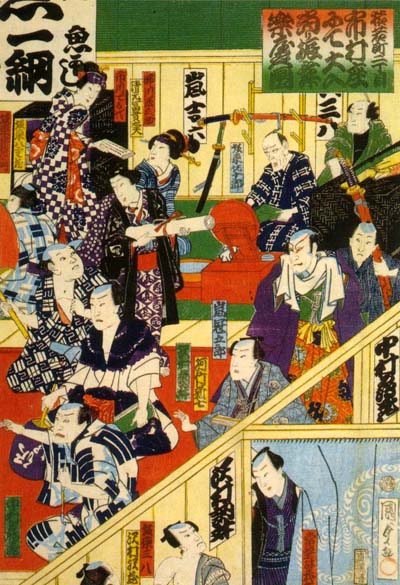
| The Ichimuraza backstages in the 5th lunar month of 1865 | |||||||||||||||||||||||||||||||||||||||||||||||||||||||||||||||||||||||||||||||||||||||||||||||||||||||||||||||||||||||||||||||||||||||||||||||||||||||||||||||||||||||||||||||||||||||||||||||||||||||||||||||||||||||||||||||||||||||||||||||||||||||||||||||||||||||||||||||||||||||||||||||||||||||||||||||||||||||||||||||||||||||||||||||||||||||||||||||||||||||||||||||||||||||||||||||||||||||||||||||||||||||||||||||||||||||||||||||||||||||||||||||||||||||||||||||||||||||||||||||||||||||||||||||||||||||||||||||||||||||||||||||||||||||||||||||||||||||||||||||||||||||||||||||||||||||||||||||||||||||||||||||||||||||||||||||||||||||||||||||||||||||||||||||||||||||||||||||||||||||||||||||||||||||||||||||||||||||||||||||||||||||||||||||||||||||||||||||||||||||||||||||||||||||||||||||||||||||||||||||||||||||||||||||||||||||||||||||||||||||||||||||||||||||||||||||||||||||||||||||||||||||||||||||||||||||||||||||||||||||||||||||||||||||||||||||||||||||||||||||||||||||||||||||||||||||||||||||||||||||
|
|
| Contact | Main | Top | Updates | Actors | Plays | Playwrights | Programs | Links | FAQ | Glossary | Chronology | Illustrations | Prints | Characters | Derivatives | Theaters | Coming soon | News |