| MORITAZA - SHINTOMIZA |
| Names | Shintomiza Miyakoza Shintomiza Fukanoza Shintomiza Moritaza |
||||||||||||||||||||||||||||||||||||||||||||||||||||||||||||||||||||||||||||||||||||||||||||||||||||||||||||||||||||||||||||||||||||||||||||||||||||||||||||||||||||||||||||||||||||||||||||||||||||||||||||||||||||||||||||||||||||||||||||||||||||||||||||||||||||||||||||||||||||||||||||||||||||||||||||||||||||||||||||||||||||||||||||||||||||||||||||||||||||||||||||||||||||||||||||||||||||||||||||||||||||||||||||||||||||||||||||||||||||||||||||||||||||||||||||||||||||||||||||||||||||||||||||||||||||||||||||||||||||||||||||||||||||||||||||||||||||||||||||||||||||||||||||||||||||||||||||||||||||||||||||||||||||||||||||||||||||||||||||||||||||||||||||||||||||||||||||||||||||||||||||||||||||||||||||||||||||||||||||||||||||||||||||||||||||||||||||||||||||||||||||||||||||||||||||||
| City | Edo | ||||||||||||||||||||||||||||||||||||||||||||||||||||||||||||||||||||||||||||||||||||||||||||||||||||||||||||||||||||||||||||||||||||||||||||||||||||||||||||||||||||||||||||||||||||||||||||||||||||||||||||||||||||||||||||||||||||||||||||||||||||||||||||||||||||||||||||||||||||||||||||||||||||||||||||||||||||||||||||||||||||||||||||||||||||||||||||||||||||||||||||||||||||||||||||||||||||||||||||||||||||||||||||||||||||||||||||||||||||||||||||||||||||||||||||||||||||||||||||||||||||||||||||||||||||||||||||||||||||||||||||||||||||||||||||||||||||||||||||||||||||||||||||||||||||||||||||||||||||||||||||||||||||||||||||||||||||||||||||||||||||||||||||||||||||||||||||||||||||||||||||||||||||||||||||||||||||||||||||||||||||||||||||||||||||||||||||||||||||||||||||||||||||||||||||||
| History |
1st lunar month of 1660: Morita Tarobê I and his adopted son Morita Tashichi opened a new theater in the district of Kobiki-chô; they named it Moritaza. 14th day of the 1st lunar month of 1660 [6]: a fire broke out in the district of Yushima. It spread and burnt the Ichimuraza, the Nakamuraza and the newly-constructed Moritaza. 5th lunar month of 1660: opening of the rebuilt Moritaza in the district of Kobiki-chô. 27th day of the 1st lunar month of 1661 [7]: a fire broke out in the residence of Kusakabe Gonzaemon in the district of Takajô-chô. It spread and burnt both the Ichimuraza and the Moritaza. 3rd lunar month of 1668: Morita Tarobê I retired. 5th lunar month of 1668: Morita Tashichi took the name of Morita Kan'ya I. 9th lunar month of 1668: Morita Kan'ya I and Kawarasaki Gonnosuke I became business partners. 10th lunar month of 1670: the number of Kabuki theaters in the city of Edo was set to 4 by the authorities. The authorized theaters were the Nakamuraza (in the district of Sakai-chô), the Ichimura-Takenojôza (Fukiya-chô), Moritaza (Kobiki-chô) and the Yamamuraza (Kobiki-chô). 25th day of the 6th lunar month of 1677 [8]: Morita Tarobê I, the first zamoto of the Moritaza, died in Edo. 25th day of the 2nd lunar month of 1679 [9]: Morita Kan'ya I, the second zamoto of the Moritaza, died in Edo. Spring 1679: Bandô Fukutarô took the name of Morita Kan'ya II and became the new zamoto of the Moritaza. 26th day of the 12th lunar month of 1695: a fire broke out in the district of Sukiyabashi. It spread and burnt both the Moritaza and the Yamamuraza. 11th lunar month of 1699: Morita Kan'ya II and Bandô Matajirô II respectively took the names of Bandô Matazaemon II and Morita Kan'ya III. 1700: Bandô Matazaemon II took the name of Bandô Matakurô II. 29th day of the 11th lunar month of 1703: [15] an earthquake hit Edo and the resulting fires destroyed the city. The 4 main theaters, the Nakamuraza, the Ichimuraza, the Moritaza and the Yamamuraza, were burnt to ashes. This catastrophe was nicknamed "Genroku Jishin Kaji" ('Genroku Earthquake and Fire'). 1st lunar month of 1709: the 4 Edo theaters, the Nakamuraza, the Ichimuraza, the Moritaza and the Yamamuraza, produced simultaneously a sogamono new year drama [2]. 11th lunar month of 1709: Bandô Nabetarô became wakashugata and took the name of Bandô Matajirô IV at the Moritaza. Spring 1712: Morita Kan'ya III, Bandô Matajirô IV and Bandô Matakurô II respectively took the names of Bandô Matakurô III, Morita Kan'ya IV and Bandô Matazaemon II. 7th day of the 1st lunar month of 1717 [10]: a fire broke out in the district of Owari-chô and spread to others sections of Edo, destroying the Moritaza. 5th lunar month of 1717: Chikamatsu Monzaemon's masterpiece "Kokusen'ya Gassen" was produced simultaneously in the 3 Edo Kabuki theaters. This was the first Kabuki adaptation of a puppet theater play in Edo. It was produced at the Moritaza under the title "Kokusen'ya Gojitsu Gassen" and staged with the following casting:
1st lunar month of 1718: Ichikawa Danjûrô II played at the Moritaza the leading role in the "Uirô Uri" scene (Kabuki Jûhachiban), which was performed in the second part (nibanme) of the new year sogamono drama "Wakamidori Ikioi Soga". The performance was a successful long run (from January to the 7th lunar month of 1718). 1st lunar month of 1720: first Kabuki adaptation of Chikamatsu Monzaemon's puppet theater shinjûmono "Shinjû Kasane Izutsu", which was written in 1707. The same play was simultaneously produced in the 3 Edo theaters and commemorated the 16th anniversary (17th memorial service) of the suicide of the couple Tokubê and Ofusa, whose roles were played by Ichikawa Danjûrô II and Sanjô Kantarô II at the Moritaza. 5th lunar month of 1721: Chikamatsu Monzaemon's drama "Shinjû Ten no Amijima", which was originally written for the puppet theater in the 12th lunar month of 1720, was adapted for Kabuki for the first time and staged in Edo at the Moritaza. The roles of Kamiya Jihê and Koharu were played by Ichikawa Danjûrô II and Sodesaki Miwano I. 24th day of the 2nd lunar month of 1722: Bandô Matakurô III, who held the name of Morita Kan'ya III from 1699 to 1712, died. Spring 1722: Bandô Matazaemon II took back the name of Bandô Matakurô II. 1st lunar month of 1734: the Moritaza went bankrupt. The hikae yagura system was authorized by the Shogunate. Morita Kan'ya IV gave his right of Kabuki performance to Kawarasaki Gonnosuke III, who opened his theater in the 3rd lunar month of 1735. 19th day of the 6th lunar month of 1734: Bandô Matakurô II, who held the name of Morita Kan'ya II from 1679 to 1699, died. 17th day of the 9th lunar month of 1743: the zamoto Morita Kan'ya IV died. 1744: Morita Kinzô, disciple of Morita Kan'ya IV, took the name of Morita Kan'ya V. 2nd lunar month (end of month) 1746: a fire broke out in the district of Tsukiji, in the mansion of Tsubouchi Gonzaemon. It spread and destroyed the Nakamuraza, the Ichimuraza and the Moritaza. 4th lunar month of 1750: the play "Sugawara Denju Tenarai Kagami" was produced at the Moritaza for the first time, with the following casting:
11th lunar month of 1751: Morita Kan'ya V retired, taking the name of Bandô Matazaemon. He entrusted the management of the Moritaza to his son-in-law Sawamura Kodenji II, who took the name of Morita Kan'ya VI. 4th lunar month of 1752: the play "Ichi-no-Tani Futaba Gunki", originally written for the Puppets Theater, was adapted for the very first time to Kabuki, at the Moritaza, and staged with the following casting:
23rd day of the 11th lunar month of 1756 [11]: a fire broke out in the district of Kôjimachi. It spread and destroyed the Moritaza. 1st lunar month of 1757: the play "Kiichi Hôgen Sanryaku no Maki" was staged for the first time in Edo, at the Moritaza with the following casting:
5th lunar month of 1758: the play "Gion Sairei Shinkôki" was staged for the first time in Edo, at the Moritaza, with the following casting:
2nd lunar month of 1763: first Kabuki adaptation of the puppet theater drama "Ôshû Adachi-ga-Hara", which was staged at the Moritaza with the following casting:
2nd lunar month of 1769: first Kabuki adaptation of the puppet theater drama "Sekitori Senryô Nobori", which was staged at the Moritaza with the following casting:
9th lunar month of 1770: Chikamatsu Hanji's 1759 puppet theater drama "Hidakagawa Iriai Zakura" was staged for the first time in Edo, at the Moritaza with the following casting:
8th lunar month of 1771: Nakamura Tomijûrô I achieved a great success at the Moritaza by performing in an amazing seven roles Nagauta-based dance called "Kiku ha Yae Shichinin Geshô". The seven sections were "Kanjo" (kanjo, the court lady), "Harukoma" (harukoma, a dance using a horse head look-alike puppet), "Wakashû Tanzen" (a boy in Tanzen style), "Keisei" (keisei, a high-ranking courtesan), "Yamagatsu" (the mountaineer), "Nuno-zarashi" (nuno-zarashi, the bleached cotton dance) and "Yari Odori" (yari odori, the spear dance). 11th lunar month of 1774: Morita Kan'ya VI retired, taking the name of Morita Yasosuke. He entrusted the management of the Moritaza to his son Morita Tarobê II, who took the name of Morita Kan'ya VII. 5th lunar month of 1776: the play "Maki Kaesu Mikari Soga", which originally mixed the "Gonin Otoko" world world with others characters, was performed at the Moritaza with the following casting:
11th lunar month of 1776: Morita Matajirô took the name of Bandô Matakurô IV at the Moritaza. 1st lunar month of 1778: the drama "Imoseyama Onna Teikin" was staged for the first time in Edo, at the Moritaza, with the following casting:
4th lunar month of 1780: first Kabuki adaptation of Utei Enba, Kijô Tarô and Yô Yôdai puppet theater drama "Go Taiheiki Shiraishi Banashi", which was written in the 1st lunar month of 1780. The play was produced in Edo at the Moritaza, with the following casting:
3rd lunar month of 1781: Ichikawa Danzô IV plays 7 roles (nanayaku) in the drama "Kanadehon Chûshingura", which was staged at the Moritaza. Here was the list of roles: En'ya Hangan, Ôboshi Yuranosuke, Honzô's wife Tonase, Amakawaya Gihei, Yoichibê, Ono no Sadakurô and Ôwashi Bungo. This was the first time in Kabuki history that an actor played seven roles in the classic "Kanadehon Chûshingura". 4th lunar month of 1783: first Kabuki adaptation of Yô Yôdai's puppet theater drama "Kagamiyama Kokyô no Nishikie", which was written in 1782. The play was performed in Edo at the Moritaza, with the following casting:
8th lunar month of 1783: the zamoto Morita Kan'ya VII dies; Bandô Matakurô IV took the name of Morita Kan'ya VIII at the Moritaza and became the new manager of this theater. 11th lunar month of 1783: Bandô Kumajûrô I took the name of Sakata Hangorô III at the Moritaza. 26th day of the 12th lunar month of 1784 [4]: a fire broke out in the palace of a daimyô and destroyed the Moritaza. 1789 ~ 1797: the Moritaza went bankrupt and gave its license to the Kawarasakiza. 2nd lunar month of 1798: the Moritaza reopened with a program called "Ichikawa Danzô Machiuke Banashi" and starring Ichikawa Danzô IV. 9th lunar month of 1798: premiere at the Moritaza of the Tokiwazu-based dance-drama "Futa Omote Tsuki no Sugatae", which was based on the older dance "Shinobu-gusa Koi no Utsushie", which was originally staged in the 3rd lunar month of 1775 at the Nakamuraza [more details]. It starred Ichikawa Danzô IV in the role of the woman selling shinobu, who was in reality the ghost of both the evil Hôkaibô and Princess Nowake. This dance-drama ended the drama "Furisode Sumidagawa", which was a revival of Nagawa Shimesuke I's drama "Sumidagawa Gonichi no Omokage". 1800 ~ 1808: the Moritaza went bankrupt and gave its license to the Kawarasakiza. 11th lunar month of 1801: Morita Kan'ya VIII and Morita Matakichi respectively took the names of Bandô Yasosuke I and Morita Kan'ya IX at the Kawarasakiza. 2nd day of the 10th lunar month of 1802 [12]: the zamoto Morita Matazaemon, who was Morita Kan'ya V from 1744 to 1751, died. 5th lunar month of 1808: the Moritaza reopened. 3rd lunar month of 1809: premiere at the Moritaza of Fukumori Kyûsuke I's drama "Sono Mukashi Koi no Edo-zome", which was staged with the following casting:
6th lunar month of 1809: premiere at the Moritaza of Tsuruya Nanboku IV's drama "Okuni Gozen Keshô no Sugatami", which was staged with the following casting:
3rd lunar month of 1813: premiere at the Moritaza of Tsuruya Nanboku IV's play "Osome Hisamatsu Ukina no Yomiuri" (commonly called "Osome no Nanayaku", in English 'The Seven Roles of Osome'), which was staged with the following casting:
6th lunar month of 1813: premiere at the Moritaza of the 8-role hengemono "Mata Koko-ni Sugata Hakkei"; the 8 roles were performed by Ichikawa Danjûrô VII. One of them, the one for the view "wild goose swooping down upon Katata in Autumn" ("Katata no Rakugan" in Japanese), has survived and became an independent popular dance item in the Kabuki repertoire, known under the titles of "Ômi no Okane", "Danjûrô Musume" (the Danjûrô Girl) or "Sarashima" (the Cloth-bleaching Girl). Another dance, less popular than "Ômi no Okane", which has survived as a Nagauta dance, was "Shin'en". 11th lunar month of 1813: premiere at the Moritaza of Tsuruya Nanboku IV's kaomise drama "Gohiiki Tsunagi Uma", which starred Onoe Shôroku I, Ichikawa Omezô I, Seki Sanjûrô II, Nakayama Tomisaburô I, Asao Yûjirô I, Ichikawa Dannosuke III, Nakamura Rikô II, Kirishima Giemon I, Ichikawa Sôzaburô IV, Hanai Saizaburô IV, Kataoka Matsusuke II and Ichikawa Tomozô II. 1st lunar month of 1814: premiere at the Moritaza of the Nagauta-based dance "Shôfudatsuki Kongen Kusazuri", which was staged with the following casting:
11th lunar month of 1814: Morita Kan'ya IX produced at the Moritaza the kaomise drama "Fuyu Botan Yuki no Jinmaku". The theater went bankrupt and the performances stopped. 11th lunar month of 1814 ~ 10th lunar month of 1817: the Moritaza went bankrupt and gave its license to the Kawarasakiza. 11th lunar month of 1817: the Moritaza reopened; the opening program including the great dance-drama "Tsumoru Koi Yuki no Seki no To", starring Ichikawa Omezô I, Bandô Matajûrô, Morita Kan'ya IX and Azuma Tôzô IV in the roles of Kuronushi, Munesada, Komachi and the spirit of the cherry tree. 7th lunar month of 1818 ~ 10th lunar month of 1822: the Moritaza went bankrupt and gave its license to the Kawarasakiza. 11th lunar month of 1822: the Moritaza reopened; the opening program celebrated the shûmei of Iwai Shijaku I. 3rd lunar month of 1823: premiere at the Moritaza of the 5-role hengemono "Yamato Gana Tamuke no Itsumoji" [3]. The five roles were performed by Iwai Shijaku I. 5th lunar month of 1823 ~ 10th lunar month of 1833: the Moritaza went bankrupt and gave its license to the Kawarasakiza. 21st day of the 3rd lunar month of 1829 [5]: a fire broke out from the shop of Owariya Tokuemon, in the district of Kanda Sakuma-chô. It spread and destroyed the Edo theaters district. The Moritaza, the Ichimuraza and the Nakamuraza were burnt to ashes. 5th lunar month of 1830: Morita Kan'ya IX and Bandô Sanpachi III respectively took the names of Bandô Yasosuke and Morita Kan'ya X. 11th lunar month of 1833: the Moritaza reopened; the opening program "Shitennô Kabuki no Yorizome" starred Ichikawa Ebizô V, Bandô Mitsugorô III, Iwai Tojaku, Ichikawa Danjûrô VIII, Iwai Hanshirô VI, Sawamura Tosshô I, Iwai Kumesaburô III, Bandô Minosuke II, Bandô Tamasaburô I and Ôtani Tomoemon IV. 11th lunar month of 1835: Ichikawa Hakuzô I took the name of Ichikawa Kuzô II at the Moritaza. 4th lunar month of 1836: premiere at the Moritaza of the drama "Hakkenden Uwasa no Takadono", which was written by Takarada Jusuke and Mimasuya Shirô, included the "Narukami" scene, and was staged with the following casting:
11th lunar month of 1836: premiere at the Moritaza of the Kiyomoto-based dance-drama "Kurama Jishi Oshie no Hinagata", which was staged within in the kaomise drama "Kioi Genji Mitsugi no Tamamono". It starred Sawamura Tosshô I, Onoe Kikujirô II and Ichikawa Ebizô V. 10th lunar month of 1837 ~ 4th lunar month of 1856: the Moritaza went bankrupt and gave its license to the Kawarasakiza. 11th lunar month of 1850: Morita Kan'ya X retired and gave his name and the management of the closed Moritaza to Bandô Mitsugorô IV, who took the name of Morita Kan'ya XI at the Ichimuraza. 22 May 7th lunar month of 1851: Morita Kan'ya X died. 5th day of the 11th lunar month of 1854 [16]: a big fire broke out in the district of Seiten-chô and reduced to ashes the Ichimuraza, the Nakamuraza and the Moritaza. 5th lunar month of 1856: the Moritaza reopened. 9th day of the 1st lunar month of 1858: a fire broke out in the third floor of the Moritaza and burnt the theater to ashes. It also destroyed the Ichimuraza. 11th lunar month of 1858: the Moritaza reopened; the ideogram for Mori was changed:
You need a Japanese Language Kit installed within your system in order to be able to read the characters 1st lunar month of 1860: the 1762 puppet drama "Kishi no Himematsu Kutsuwa Kagami" was adapted for the first time to Kabuki. It was integrated within the new year sogamono drama "Momo Chidori Nigiwai Soga" and the casting for the "Kishi Hime" part was :
5th lunar month of 1861: premiere of Kawatake Shinshichi II's drama "Ryû to Mimasu Takane no Kumokiri", which was staged at the Moritaza with the following casting: 8th lunar month of 1861: premiere of Kawatake Shinshichi II's drama "Sakura Sôshi Gonichi no Bundan", a revised version of Segawa Jokô III's drama "Higashiyama Sakura Sôshi", which was staged at the Moritaza with the following casting:
10th lunar month of 1861: premiere at the Moritaza of Segawa Jokô III's drama "Zôho Futatsu Domoe", which was staged with the following casting:
5th lunar month of 1862: premiere at the Moritaza of the drama "Shinpan Ukina no Yomiuri", which was staged with the following casting:
8th lunar month of 1862: premiere at the Moritaza of Kawatake Shinshichi II's drama "Kanzen Chôaku Nozoki Garakuri", which was staged with the following casting:
8th lunar month of 1862: revival at the Moritaza of the drama "Miyajima no Danmari", with a new script written by Kawatake Mokuami and starring Ichikawa Kodanji IV in the leading roles of the courtesan Ukifune and the thief Kesatarô. 18th day of the 11th lunar month of 1863: Morita Kan'ya XI died. 21st day of the 4th lunar month of 1864 [13]: premiere at the Moritaza of Kawatake Shinshichi II's drama "Wakaba no Ume Ukina no Yokogushi", commonly called "Kirare Otomi" ("Scarface Otomi"). The drama ended with a Kiyomoto-based dance-drama, which was entitled "Inu Tsubasa Otomi Yosaburô". Both drama and dance-drama were staged with the following casting:
22nd 4th lunar month of 1864 [14]: the following day after the premiere of "Wakaba no Ume Ukina no Yokogushi", a fire broke out in a Moritaza's shibai jaya; it quickly spread and burnt the Moritaza, the Ichimuraza and the Nakamuraza. 7th lunar month of 1864: the rebuilt Moritaza reopened with a program which was entitled "Chigusa Hana Masago no Shinbutai".
Kawatake Shinshichi II's "Kirare Otomi" was staged with the same casting within this program, in a slightly revised version which was entitled "Musume Gonomi Ukina no Yokogushi".
The Kiyomoto-based dance-drama was entitled "Aki no Iro Otomi Yosaburô". 11th lunar month of 1864: Morita Kanjirô III took the name of Morita Kan'ya XII. 2nd lunar month of 1866: premiere at the Moritaza of Kawatake Shinshichi II's drama "Fune-he Uchikomu Hashima no Shiranami" (commonly called "Ikake Matsu"), which was staged with the following casting:
3rd lunar month of 1870: premiere at the Moritaza of Kawatake Shinshichi II's drama "Kusunoki-ryû Hanami no Makuhari" (commonly called "Keian Taiheiki" or "Marubashi Chûya"), which was staged with the following casting:
2nd lunar month of 1872: Iwai Shijaku II took the name of Iwai Hanshirô VIII at the Moritaza. 9th lunar month of 1872: the Moritaza left the district of Saruwaka-chô and was rebuilt in the district of Shintomi-chô. The building architecture was traditional but Morita Kan'ya XII made many changes:
10th lunar month of 1872: premiere at the Moritaza of Kawatake Shinshichi II's zangirimono "Tsuki no En Masu no Igaguri", which was staged with the following casting:
January 1875: premiere at the Shintomiza of Kawatake Shinshichi II's drama "Ôgi Byôshi Ôoka Seidan" (commonly called "Ten'ichibô"), which was staged with the following casting:
February 1875: Morita Kan'ya XII created a stock company to manage his theater, which was renamed Shintomiza for this occasion. June 1876: premiere at the Shintomiza of Kawatake Shinshichi II's drama "Hototogisu Date no Kikigaki", which was staged with the following casting:
28 November 1876: a fire broke out in the district of Sukiya-chô and destroyed both the Nakabashiza and the Shintomiza. April 1877: premiere at the Shintomiza of Kawatake Shinshichi II's drama "Fujibitai Tsukuba no Shigeyama", which was staged with the following casting:
December 1877: premiere at the Shintomiza of Kawatake Shinshichi II's drama "Kômonki Osana Kôshaku", which was staged with the following casting:
June 1878: the Shintomiza reopened, more modern than the first one. The drama "Matsu no Sakae Chiyoda no Shintoku" was staged and it celebrated the shûmei of Ichikawa Kodanji V. Premiere of the dance-drama "Botan-ni Chô Ôgi no Irodori" was premiered in June 1878 at the Shintomiza. it was divided into two parts, the "Shakkyô no Akatarashige" part (a spectacular shakkyômono) and the "Suehiro no Shiroharigasa" part. It mixed Tokiwazu, Tomimoto, Kiyomoto, Nagauta and Gidayû musical ensembles. Ichikawa Danjûrô IX, Onoe Kikugorô V, Ichikawa Sadanji I, Iwai Hanshirô VIII, Nakamura Nakazô III, Ichikawa Kodanji V and Onoe Kikunosuke II The second part, "Suehiro no Shiroharigasa", has survived and became the Nagauta-based dance-drama "Genroku Hanami Odori". October 1878: premiere at the Shintomiza of Kawatake Shinshichi II's drama "Jitsugetsusei Kyôwa Seidan", which was staged with the following casting:
February 1879: premiere at the Shintomiza of Kawatake Shinshichi II's drama "Ningen Banji Kane no Yo no Naka", which was staged with the following casting:
16 July 1879: gala night at the Shintomiza in the honor of the General Ulysses S. Grant, who ended his world tour with a stop in Japan. The theater was decorated with American flags and the main item in the program was a drama, which was specially written by Kawatake Mokuami to celebrate the victor of the American Civil War. This war was transposed to the Japanese 11th century, Ulysses S. Grant and Robert E. Lee becoming Minamoto no Yoshiie and Kiyohara no Takehira, two enemy warriors of the gosannen. This drama was entitled "Gosannen Ôshû Gunki" and had a 5-star casting: Ichikawa Danjûrô IX (Minamoto no Yoshiie), Nakamura Sôjûrô (Kiyohara no Takehira), Iwai Hanshirô VIII, Ichikawa Sadanji I, Nakamura Nakazô III, Bandô Kakitsu I and Ichikawa Kodanji V. The program ended with a shosagoto, which starred Onoe Kikugorô V, Ichikawa Sadanji I and Bandô Kakitsu I. September 1879: the zamoto Morita Kan'ya XII produced at the Shintomiza an original play "Hyôryû Kidan Seiyô Kabuki" ("A strange story about drifters and Western Kabuki"!), written by Kawatake Shinshichi II and staged with some Western actors. The plot was about the adventures of a group of Japanese in Europe and in the USA. The play included several Italian-style operettas, which disconcerted the audience [1]. March 1881: premiere at the Shintomiza of Kawatake Mokuami's masterpiece "Kumo ni Magou Ueno no Hatsuhana", performed with the following casting:
June 1881: premiere at the Shintomiza of Kawatake Shinshichi II's jidaimono "Youchi Soga Kariba no Akebono", which was staged with the following casting:
June 1881: premiere at the Shintomiza of Kawatake Shinshichi II's dance-drama "Tsuchi-gumo", which was staged to commemorate the 32nd anniversary (33rd memorial service) of the passing away of Onoe Kikugorô III. The dance was staged with the following casting:
November 1881: premiere at the Shintomiza of Kawatake Mokuami's zangirimono drama "Shima Chidori Tsuki no Shiranami", which was staged with the following casting:
January 1883: premiere at the Shintomiza of Kawatake Mokuami's drama "Medeshi Yanagi Midori no Matsumae", which was staged with the following casting:
April 1883: premiere at the Shintomiza of Kawatake Mokuami's Nagauta-based matsubamemono "Ibaraki", which was staged with the following casting:
November 1885: premiere at the Shintomiza of Kawatake Mokuami's Nagauta-based matsubamemono "Funa Benkei", which was staged with the following casting:
October 1887: premiere at the Shintomiza of Kawatake Mokuami's matsubamemono "Momijigari", which mixed Tokiwazu, Takemoto and Nagauta musical accompaniments and was staged with the following casting:
July 1890: a special 2-day gala program starring Ichikawa Danjûrô IX and entitled Mimasukai. "Kiyomasa Seichûroku", a revised version in 3 acts of Kawatake Shinshichi III's 1875 drama "Minori no Aki Seishô Denki", was staged with the following casting: Fall 1891: the management of the theater was transferred to Fukano Eiji, who renamed the theater Fukanoza. November 1891: the title "Oto ni Kiku Tenjiku Tokubê" was used for the first time, in Tôkyô at the Fukanoza, and it was staged with the following casting:
January 1894: last performances at the Fukanoza. February 1894: the Fukanoza was renamed Shintomiza. August 1894: because of many financial difficulties, Morita Kan'ya XII had to hand over the management of the Shintomiza. He kept on working as a producer. October 1895: last performances at the Shintomiza. January 1896: the Shintomiza was renamed Miyakoza. April 1897: last performances at the Miyakoza. July 1897: the Miyakoza was renamed Shintomiza; last performances produced by Morita Kan'ya XII at the Shintomiza. August 1897: Morita Kan'ya XII (1846~1897) died. November 1906: took the name of Morita Kan'ya XIII at the Shintomiza. 1909: the Shintomiza was purchased by the powerful Shôchiku Company. May 1910: Chikamatsu Monzaemon's drama "Onna Goroshi Abura no Jigoku" was staged for the first time in Tôkyô, at the Shintomiza with the following casting:
October 1914: premiere at the Shintomiza of Okamoto Kidô's drama "Sasaki Takatsuna". The role of Sasaki Takatsuna was played by Ichikawa Sadanji II. November 1918: premiere at the Shintomiza of Matsui Shôyô's drama "Yodogimi". The leading role of Lady Yodo (Yodogimi) was played by Nakamura Utaemon V. June 1921: premiere at the Shintomiza of Takayasu Gekkô's drama "Daigo no Haru". The leading role of Lady Yodo (Yodogimi) was played by Nakamura Utaemon V. February 1922: premiere at the Shintomiza of Yamazaki Shikô's drama "Hatsushiraga". The leading role of Lady Yodo (Yodogimi) was played by Nakamura Utaemon V. September 1923: the Shintomiza was destroyed during the powerful earthquake called Kantô Daijishin, which hit Tôkyô and killed more than 200,000 people. This theater was not rebuilt. |
||||||||||||||||||||||||||||||||||||||||||||||||||||||||||||||||||||||||||||||||||||||||||||||||||||||||||||||||||||||||||||||||||||||||||||||||||||||||||||||||||||||||||||||||||||||||||||||||||||||||||||||||||||||||||||||||||||||||||||||||||||||||||||||||||||||||||||||||||||||||||||||||||||||||||||||||||||||||||||||||||||||||||||||||||||||||||||||||||||||||||||||||||||||||||||||||||||||||||||||||||||||||||||||||||||||||||||||||||||||||||||||||||||||||||||||||||||||||||||||||||||||||||||||||||||||||||||||||||||||||||||||||||||||||||||||||||||||||||||||||||||||||||||||||||||||||||||||||||||||||||||||||||||||||||||||||||||||||||||||||||||||||||||||||||||||||||||||||||||||||||||||||||||||||||||||||||||||||||||||||||||||||||||||||||||||||||||||||||||||||||||||||||||||||||||||
| Notes |
[1] This original performance was a complete commercial failure. [2] This was the beginning of a custom which is still somehow observed nowadays. [3] The 4th role, the komori, is still in the Kabuki repertoire ("Komori"). [4] The 26th day of the 12th lunar month of the 4th year of the Tenmei era was the 5th of February 1785 in the western calendar. [5] The 21st day of the 3rd lunar month of the 12th year of the Bunsei era was the 24th of April 1829 in the western calendar. [6] The 14th day of the 1st lunar month of the 3rd year of the Manji era was the 24th of February 1660 in the western calendar. [7] The 27th day of the 1st lunar month of the 4th year of the Manji era was the 26th of February 1661 in the western calendar. [8] The 25th day of the 6th lunar month of the 5th year of the Enpô era was the 24th of July 1677 in the western calendar. [9] The 25th day of the 2nd lunar month of the 7th year of the Enpô era was the 5th of April 1679 in the western calendar. [10] The 7th day of the 1st lunar month of the 2nd year of the Kyôhô era was the 17th of February 1717 in the western calendar. [11] The 23rd day of the 11th lunar month of the 6th year of the Hôreki era was the 14th of December 1756 in the western calendar. [12] The 2nd day of the 10th lunar month of the 2nd year of the Kyôwa era was the 28th of October 1802 in the western calendar. [13] The 21st day of 4th lunar month of the 1st year of the Genji era was the 26th of May 1864 in the western calendar. [14] The 22nd day of 4th lunar month of the 1st year of the Genji era was the 27th of May 1864 in the western calendar. [15] The 29th day of the 11th lunar month of the 16th year of the Genroku era was the 6th of January 1704 in the western calendar. [16] The 5th day of the 11th lunar month of the 7th year of the Kaei era was the 24th of December 1854 in the western calendar. |
||||||||||||||||||||||||||||||||||||||||||||||||||||||||||||||||||||||||||||||||||||||||||||||||||||||||||||||||||||||||||||||||||||||||||||||||||||||||||||||||||||||||||||||||||||||||||||||||||||||||||||||||||||||||||||||||||||||||||||||||||||||||||||||||||||||||||||||||||||||||||||||||||||||||||||||||||||||||||||||||||||||||||||||||||||||||||||||||||||||||||||||||||||||||||||||||||||||||||||||||||||||||||||||||||||||||||||||||||||||||||||||||||||||||||||||||||||||||||||||||||||||||||||||||||||||||||||||||||||||||||||||||||||||||||||||||||||||||||||||||||||||||||||||||||||||||||||||||||||||||||||||||||||||||||||||||||||||||||||||||||||||||||||||||||||||||||||||||||||||||||||||||||||||||||||||||||||||||||||||||||||||||||||||||||||||||||||||||||||||||||||||||||||||||||||||
 |
|||||||||||||||||||||||||||||||||||||||||||||||||||||||||||||||||||||||||||||||||||||||||||||||||||||||||||||||||||||||||||||||||||||||||||||||||||||||||||||||||||||||||||||||||||||||||||||||||||||||||||||||||||||||||||||||||||||||||||||||||||||||||||||||||||||||||||||||||||||||||||||||||||||||||||||||||||||||||||||||||||||||||||||||||||||||||||||||||||||||||||||||||||||||||||||||||||||||||||||||||||||||||||||||||||||||||||||||||||||||||||||||||||||||||||||||||||||||||||||||||||||||||||||||||||||||||||||||||||||||||||||||||||||||||||||||||||||||||||||||||||||||||||||||||||||||||||||||||||||||||||||||||||||||||||||||||||||||||||||||||||||||||||||||||||||||||||||||||||||||||||||||||||||||||||||||||||||||||||||||||||||||||||||||||||||||||||||||||||||||||||||||||||||||||||||||
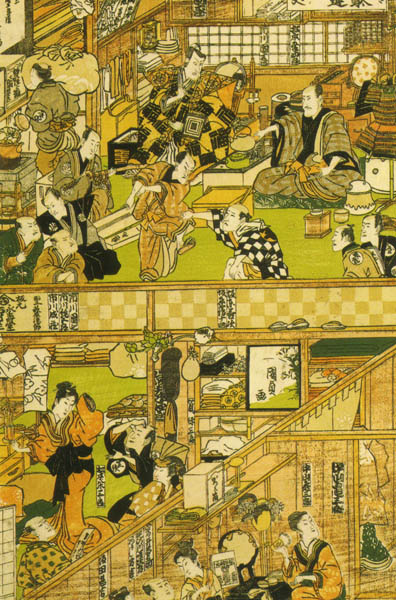
| The Moritaza backstages in the 11th lunar month of 1812 | |||||||||||||||||||||||||||||||||||||||||||||||||||||||||||||||||||||||||||||||||||||||||||||||||||||||||||||||||||||||||||||||||||||||||||||||||||||||||||||||||||||||||||||||||||||||||||||||||||||||||||||||||||||||||||||||||||||||||||||||||||||||||||||||||||||||||||||||||||||||||||||||||||||||||||||||||||||||||||||||||||||||||||||||||||||||||||||||||||||||||||||||||||||||||||||||||||||||||||||||||||||||||||||||||||||||||||||||||||||||||||||||||||||||||||||||||||||||||||||||||||||||||||||||||||||||||||||||||||||||||||||||||||||||||||||||||||||||||||||||||||||||||||||||||||||||||||||||||||||||||||||||||||||||||||||||||||||||||||||||||||||||||||||||||||||||||||||||||||||||||||||||||||||||||||||||||||||||||||||||||||||||||||||||||||||||||||||||||||||||||||||||||||||||||||||||
|
|
| Contact | Main | Top | Updates | Actors | Plays | Playwrights | Programs | Links | FAQ | Glossary | Chronology | Illustrations | Prints | Characters | Derivatives | Theaters | Coming soon | News |