| MEIJIZA |
| Names | Meijiza Chitoseza Hisamatsuza Kishôza |
||||||||||||||||||||||||||||||||||||||||||||||||||||||||||||||||||||||||||||||||||||||||||||||||||||||||||||||||||||||||||||||||||||||||||||||||||||||||||||||||||||||||||||||||||||||||||||||||||||||||||||||||||||||||||||||||||||||||||||||||||||||||||||||||||||||||||||||||||||||||||||||||||||||||||||||||||||||||||||||||||||||||||||||||||||||||||||||||||||||||||||||||||||||||||||||||||||||||||||||||||||||||||||||||||||||||||||||||||||||||||||||||||||||||||||||||||||||||||||||||||||||||||||||||||||||||||||||||||||||||||||||||||||||||||||||||||||||||||
| City | Tôkyô | ||||||||||||||||||||||||||||||||||||||||||||||||||||||||||||||||||||||||||||||||||||||||||||||||||||||||||||||||||||||||||||||||||||||||||||||||||||||||||||||||||||||||||||||||||||||||||||||||||||||||||||||||||||||||||||||||||||||||||||||||||||||||||||||||||||||||||||||||||||||||||||||||||||||||||||||||||||||||||||||||||||||||||||||||||||||||||||||||||||||||||||||||||||||||||||||||||||||||||||||||||||||||||||||||||||||||||||||||||||||||||||||||||||||||||||||||||||||||||||||||||||||||||||||||||||||||||||||||||||||||||||||||||||||||||||||||||||||||||
| History |
1873: opening of the Kishôza in the district of Hisamatsu-chô. August 1879: the same theater reopens under the name of Hisamatsuza. The opening program is made up of the dramas "Osana Zakura Masago no Furisode", "Uchide no Tsuchimi Iri no Ôkura", "Iromochi Gusa Ukina no Koiguchi" and "Chiyo Yorozu Yosakae no Hisamatsu", starring the actors Suketakaya Takasuke IV, Kataoka Gadô III, Onoe Tamizô II, Ichikawa Kuzô III, Kataoka Ichizô III, Nakamura Kanjaku III, Onoe Taganojô II, Bandô Hikojûrô I and Onoe Tamitarô. January 1883: last programs at the Hisamatsuza; the dramas "Jiraiya Gôketsu Monogatari", "Gosho Zakura Horikawa no Youchi" and "Suibodai Gotô no Kyôkyaku" are staged with Nakamura Nakazô III (zagashira), Ichikawa Kuzô III, Bandô Kakitsu I, Onoe Taganojô II, Bandô Hikojûrô I, Nakamura Kaoru and Ogino Yaegiri IV (who celebrates his shûmei). January 1885: two dances are staged at this theater, about to reopen in February 1885 with a new name, the Chitoseza. From the 4th to the 7th of January, two auspicious dances and a kôjô with the troupe led by Ichikawa Danjûrô IX are staged. The sanbasô is staged with Ichikawa Sadanji I (Okina), Bandô Kakitsu I (Senzai) and Onoe Kikugorô V (Sanbasô). This is also the premiere of the Nagauta-based dance-drama "Tsuru Kame", which is staged with the following casting:
February 1885: the same theater reopens under the name of Chitoseza. The opening program is made up of the dramas "Senzai Soga Genji no Ishizue", "Yamabushi Settai", "Suitengû Rishô no Fukagawa" and "Kaze Kuruu Kawabe no Meyanagi", starring the actors Onoe Kikugorô V, Ichikawa Sadanji I, Bandô Kakitsu I, Onoe Matsusuke IV, Kataoka Gadô III, Sawamura Gennosuke IV, Nakamura Arajirô, Sawamura Tanosuke IV, Onoe Einosuke, Nakamura Fukusuke IV, Bandô Shûchô II, Ichikawa Shinzô V, Onoe Kikunosuke II and Nakamura Tsuruzô II. February 1885: première at the Chitoseza of Kawatake Mokuami's drama "Suitengû Megumi no Fukagawa", which is staged with the following casting:
November 1885: premiere at the Chitoseza of Kawatake Mokuami's drama "Shisen Ryô Koban no Ume-no-Ha", which was staged with the following casting: March 1886: première at the Chitoseza of Kawatake Mokuami's drama "Mekura Nagaya Ume-ga-Kagatobi", which is staged with the following casting:
May 1888: première at the Chitoseza of Kawatake Shinshichi III's drama "Kagotsurube Sato no Eizame", which is staged with the following casting:
September 1889: première at the Chitoseza of Kawatake Shinshichi III's Tokiwazu-based dance-drama "Kumo no Ito Oyozume Banashi", which is staged with the following casting:
1890: the Chitoseza is destroyed in a fire. November 1893: the same theater reopens under the name of Meijiza.
The opening program is made up of the dramas "Ishibashiyama Genji no Hataage", "Oatsurae",
"Sono Uwasa Tatsuya Adanami" and "Tôyama Zakura Tenpô Nikki", starring the actors Ichikawa Danjûrô IX,
Ichikawa Sadanji I, Ichikawa Gonjûrô, Ichikawa Ennosuke I,
Nakamura Fukusuke IV, Ichikawa Somegorô IV, Ichikawa Kodanji V,
Ichikawa Shinzô V, Ichikawa Sumizô V and Ichikawa Arajirô I.
October 1897: première at the Meijiza of Fukuchi Ôchi's drama "Ômori Hikoshichi". The 2 leading roles are played by Ichikawa Danjûrô IX (Ômori) and Ichikawa Metora II (Princess Chihaya). The choreography is made by Hanayagi Jusuke I and the musical accompaniment is made by Kishizawa Nakasuke. October 1898: premiere at the Meijiza of Takeshiba Kisui's dance-drama "Sannin Katawa", which is staged with the following casting:
March 1899: premiere at the Meijiza of the drama "Kurotegumi Kuruwa no Tatehiki", which gathers the main scenes from the sukerokumono part of Kawatake Shinshichi II's 1858 drama "Edo Zakura Kiyomizu Seigen". It is staged with the following casting:
1904: modernization of the Meijiza. March 1907: premiere at the Meijiza of Takeshiba Kisui's matsubamemono dance-drama "Suminuri Onna", which was staged with the following casting:
April 1908: the actors Nakamura Tokizô I and Nakamura Kashô I take the names of Nakamura Karoku III and Nakamura Tokizô II at the Meijiza. September 1909: revival at the Meijiza of the drama "Kenuki", a long-forgotten play belonging to the Kabuki Jûhachiban, which is staged with the following casting:
May 1910: revival at the Meijiza of the drama "Narukami", a long-forgotten play belonging to the Kabuki Jûhachiban, which is staged with the following casting:
May 1911: premiere at the Meijiza of Okamoto Kidô's drama "Shuzenji Monogatari", which is staged with the following casting:
October 1911: premiere at the Meijiza of Okamoto Kidô's drama "Minowa no Shinjû", which is staged with the following casting:
January: revival at the Meijiza of the drama "Fudô", which belongs to the Kabuki Jûhachiban; its is staged with the following casting:
October 1914: premiere at the Meijiza of Okamoto Kidô's drama "Soga Monogatari", which is staged with the following casting:
September 1918: premiere at the Meijiza of Okamoto Kidô's drama "Onoe Idahachi", which is staged with the following casting:
November 1920: premiere at the Meijiza of Okamoto Kidô's drama "Ogurusu no Chôbê", which is staged with the following casting:
September 1922: revival at the Meijiza of Tsuruya Nanboku IV's drama "Nazo no Obi Chotto Tokubê", which is staged with the following casting:
1 September 1923 (11:58 AM): Tôkyô is destroyed by a powerful earthquake called Kantô Daijishin, which kills more than 200,000 people; the Meijiza is burnt to ashes. 1924: the Suehiroza, a little theater in the district of Azabu Jûban, becomes a temporary Meijiza. 1928: reopening of the Meijiza in the district of Hama-chô. February 1929: premiere at the Meijiza of Kimura Tomiko's Nagauta-based dance "Nomitori Otoko", with a choreography and a musical accompaniment made by Hanayagi Jusuke II and Kineya Sakichi IV. The leading role is played by Ichikawa Ennosuke II. September 1930: revival at the Meijiza of Tsuruya Nanboku IV's masterpiece "Sakura Hime Azuma Bunshô". The new script is written by Iwaya Shin'ichi and the play is produced under the title "Tôryû Azuma Bunshô" with the following casting:
March 1931: premiere at the Meijiza of Hasegawa Shin's drama "Mabuta no Haha", starring Morita Kan'ya XIII and Onoe Taganojô III in the roles of Chûtarô and Ohama. May 1933: Ikeda Daigo's bakumatsumono drama "Saigô to Buta-hime" was staged for the first time in ôshibai, in Tôkyô at the Meijiza, with the following casting:
April 1938: premiere at the Meijiza of "Kira Yashiki Uramon", the seventh play of Mayama Seika's cycle "Genroku Chûshingura", which was staged with the following casting: April 1938: premiere at the Meijiza of the first act of "Sengoku Yashiki", the ninth play of Mayama Seika's cycle "Genroku Chûshingura", which was staged with the following casting:
September 1939: premiere at the Meijiza of Kimura Tomiko's dance "Kokaji" (a Nô drama adapted for Kabuki), which mixes Nagauta and Gidayû musical accompaniments. The leading role of the God Inari is played by Ichikawa Ennosuke II. 10 March 1945 (00:08 AM): 344 US Army B29 bombers drops 2,000 tons of bombs on Tôkyô, killing more than 120,000 people and destroying almost everything; the Meijiza is burnt to ashes. December 1950: reopening of the Meijiza. July 1953: premiere at the Meijiza of Hôjô Hideji's drama "Ukifune", which is staged with the following casting:
July 1953: revival at the Meijiza of Kawatake Shinshichi III's 1878 drama "Tsûzoku Saiyûki", which is staged with the following casting:
December 1954: premiere at the Meijiza of Kawaguchi Matsutarô's revision of Chikamatsu Monzaemon's drama "Daikyôji Mukashi Goyomi"; it is entitled "Osan Mohê" and it is staged with the following casting:
March 1955: Hasegawa Shin's drama "Ori" was staged with a full Kabuki casting for the first time, in Tôkyô at the Meijiza:
March 1956: premiere in Kabuki at the Meijiza of Hôjô Hideji's drama "Ii Tairô", which is staged with the following casting: 1957: the Meijiza is destroyed by fire. 1958: reopening of the Meijiza. March 1959: revival at the Meijiza of Kawatake Shinshichi III's Tokiwazu-based dance-drama "Kumo no Ito Oyozume Banashi", which is staged with the following casting:
December 1961: premiere at the Meijiza of Kawaguchi Matsutarô's drama "Oedo Miyage", which was staged with the following casting:
April 1976: revival at the Meijiza of Katsu Genzô III's drama "Ogasawara Sôdô", which is staged with the following casting:
April 1977: revival at the Meijiza of Katsu Genzô II's drama "Kimi-wa-Fune Nami no Uwajima". The play is produced by Ichikawa Ennosuke with the following casting:
April 1979: historic revival at the Meijiza of Tsuruya Nanboku IV long-forgotten play "Haji Momiji Ase no Kaomise" (commonly called "Date no Jûyaku", in English "the ten roles of Date"), whose plot and characters belong to the "Meiboku Sendai Hagi" and "Kasane" worlds. The play is produced by Ichikawa Ennosuke with the following casting:
April 1981: premiere at the Meijiza of the dance "Taikô Sanbasô", which is staged within Nagawa Shôsuke's drama "Sennari Hisago Mashira no Kaomise"; Ichikawa Ennosuke III plays the role of Toyotomi Hideyoshi performing the sanbasô's dance. April 1984: revival at the Meijiza of Tsuruya Nanboku IV's 1813 kaomise drama "Gohiiki Tsunagi Uma", which was staged with the following casting: April 1987: revival of the drama "Jûni Hitoe Komachi Zakura", which includes the famous Tokiwazu-based dance-drama "Tsumoru Koi Yuki no seki no To". The line-up is made up of the actors Ichikawa Ennosuke (Sekibê, Ôtomo no Kuronushi), Jitsukawa Enjaku III, Sawamura Sôjûrô IX, Ichikawa Monnosuke VII (Yoshimine Munesada), Arashi Tokusaburô VII, Nakamura Shinjirô, Bandô Yajûrô, Ichikawa Danshirô, Kataoka Roen, Nakamura Kotarô V (the courtesan Sumizome, the spirit of Komachi's cherry tree), Ichikawa Ukon, Ichikawa Emiya (Ono no Komachi) and Ichikawa Koyone II. A new script is written by Tobe Ginsaku. 1990 ~ 1993: renovation of the Meijiza. March 1993: first grand Kabuki program celebrating the reopening of the Meijiza:
April 1993: second grand Kabuki program celebrating the reopening of the Meijiza:
|
||||||||||||||||||||||||||||||||||||||||||||||||||||||||||||||||||||||||||||||||||||||||||||||||||||||||||||||||||||||||||||||||||||||||||||||||||||||||||||||||||||||||||||||||||||||||||||||||||||||||||||||||||||||||||||||||||||||||||||||||||||||||||||||||||||||||||||||||||||||||||||||||||||||||||||||||||||||||||||||||||||||||||||||||||||||||||||||||||||||||||||||||||||||||||||||||||||||||||||||||||||||||||||||||||||||||||||||||||||||||||||||||||||||||||||||||||||||||||||||||||||||||||||||||||||||||||||||||||||||||||||||||||||||||||||||||||||||||||
 |
|||||||||||||||||||||||||||||||||||||||||||||||||||||||||||||||||||||||||||||||||||||||||||||||||||||||||||||||||||||||||||||||||||||||||||||||||||||||||||||||||||||||||||||||||||||||||||||||||||||||||||||||||||||||||||||||||||||||||||||||||||||||||||||||||||||||||||||||||||||||||||||||||||||||||||||||||||||||||||||||||||||||||||||||||||||||||||||||||||||||||||||||||||||||||||||||||||||||||||||||||||||||||||||||||||||||||||||||||||||||||||||||||||||||||||||||||||||||||||||||||||||||||||||||||||||||||||||||||||||||||||||||||||||||||||||||||||||||||||
|
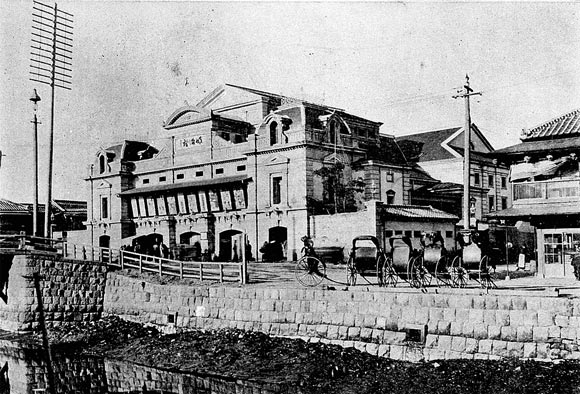
The Meijiza in December 1902 |
|||||||||||||||||||||||||||||||||||||||||||||||||||||||||||||||||||||||||||||||||||||||||||||||||||||||||||||||||||||||||||||||||||||||||||||||||||||||||||||||||||||||||||||||||||||||||||||||||||||||||||||||||||||||||||||||||||||||||||||||||||||||||||||||||||||||||||||||||||||||||||||||||||||||||||||||||||||||||||||||||||||||||||||||||||||||||||||||||||||||||||||||||||||||||||||||||||||||||||||||||||||||||||||||||||||||||||||||||||||||||||||||||||||||||||||||||||||||||||||||||||||||||||||||||||||||||||||||||||||||||||||||||||||||||||||||||||||||||||
|
|
| Contact | Main | Top | Updates | Actors | Plays | Playwrights | Programs | Links | FAQ | Glossary | Chronology | Illustrations | Prints | Characters | Derivatives | Theaters | Coming soon | News |